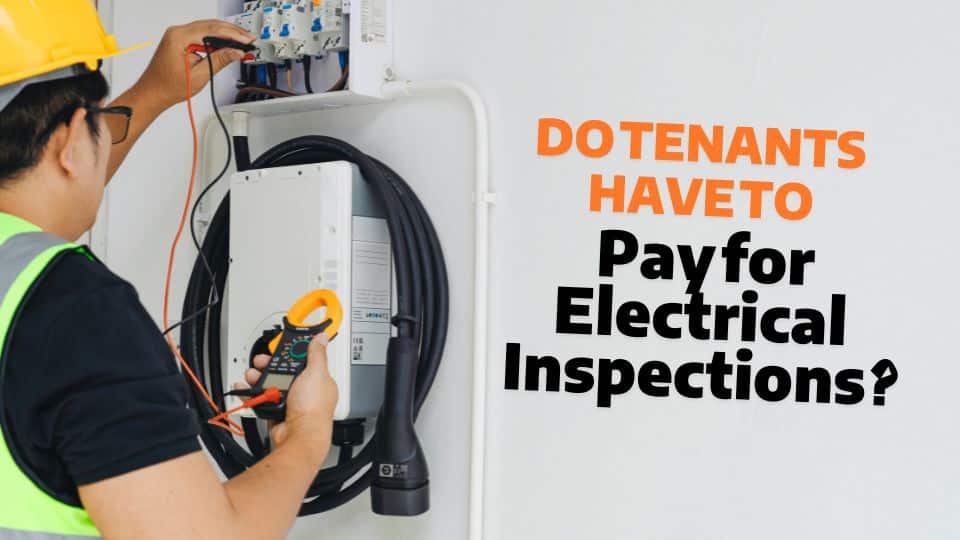

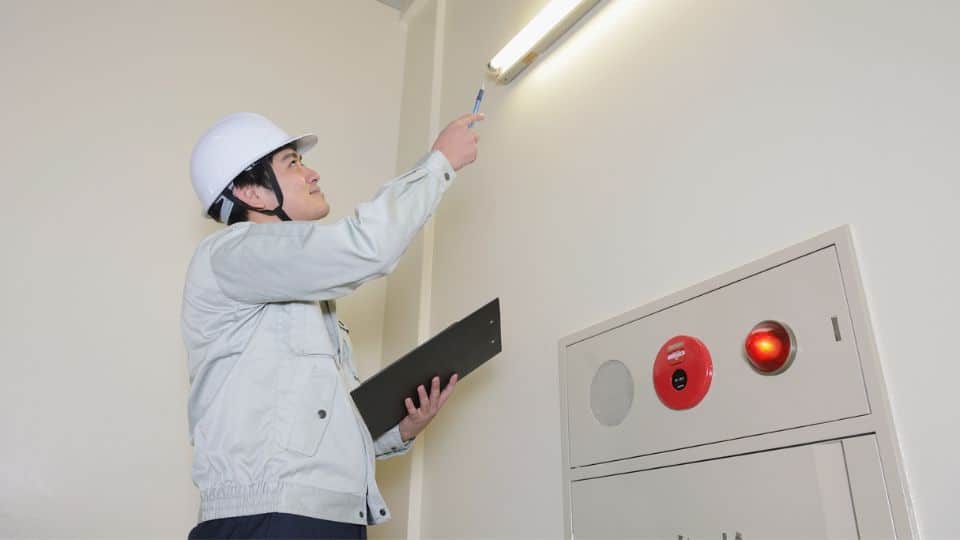
Here is a common question! Who Is Responsible for Paying electrical inspections? Tenant or Landlord? first let’s explain what an Electrical Inspection is and why it matters. An electrical inspection is a safety assessment that evaluates the condition of wiring, outlets, panels, and the overall electrical system of a property. The goal is to ensure everything complies with building codes and poses no risk to residents. Inspections help prevent electrical fires, equipment damage, or accidents caused by faulty systems.
For rental properties, these checks are essential. They guarantee that the home remains safe and habitable, which is a fundamental legal duty of every Landlord. Regular inspections also give peace of mind to tenants who rely on the property’s electrical safety for daily living. But here is the question: Who should pay for the electrical inspection? Vancan Electric will exactly answer this! Stay with us!
Who Is Responsible for Paying: Tenant or Landlord?
In most situations, landlords are responsible for paying the cost of electrical inspections. Since they own the property, maintaining it to meet safety standards is part of their obligation.
Tenants usually don’t have to pay unless they caused electrical damage through negligence or unauthorized alterations. For instance, if a tenant installs additional sockets without permission and that triggers an inspection or repair, they may be charged. Otherwise, electrical inspections are considered part of the property’s regular maintenance and are the Landlord’s responsibility. Here’s a clear, easy-to-read table showing who is responsible for paying for electrical inspections in different situations:
| Safety Inspection Situation | Who Pays | Reason |
| Routine safety inspection required by law | Landlord | Legal obligation to ensure the property is safe and compliant |
| Pre-tenancy inspection before a new tenant moves in | Landlord | Ensures the property meets safety standards before occupation |
| Inspection after electrical fault caused by normal wear and tear | Landlord | Considered part of property maintenance |
| Inspection due to damage caused by tenant negligence or misuse | Tenant | Tenant is responsible for damage they caused |
| Inspection requested by tenant for personal equipment or upgrades | Tenant | Not part of required property maintenance |
| Inspection following unauthorized electrical modifications by tenant | Tenant | Tenant caused the issue by altering the system without consent |
| Inspection after major property renovation or upgrade | Landlord | Landlord’s responsibility to certify safety after construction |
| Inspection requested by local authority for compliance check | Landlord | Legal compliance check tied to property ownership |
What the Law Says About Electrical Safety and Inspections
Electrical safety requirements differ depending on where you live, but most local housing laws clearly place the responsibility for electrical safety on landlords. In many regions, landlords must provide proof that electrical systems are safe before a tenancy begins and at regular intervals thereafter — often every five years.
Tenants, on the other hand, are responsible for using the electrical system properly and reporting any visible faults. If they ignore issues or cause damage, they could share some liability, but this is the exception rather than the rule.
Everyday Situations When Tenants May Need to Pay
Tenants may need to pay for an electrical inspection if they’ve caused damage, made unauthorized wiring changes, or requested an extra inspection for personal reasons, such as installing new appliances or equipment.
There are a few situations where tenants might be required to pay for an inspection:
- If they make unauthorized electrical modifications.
- If they fail to report issues that later lead to damage.
- If an inspection is requested for their personal use, for example, before installing high-powered appliances or a home workstation setup.
- In these cases, the inspection is not part of the Landlord’s legal maintenance duties, so tenants may need to cover the cost.
How to Avoid Disputes Over Inspection Costs
To avoid disagreements, both parties should carefully review the lease agreement. Clauses about property maintenance and inspection costs should be clear from the start. Tenants should also report electrical issues promptly and avoid any DIY electrical work.
For landlords, keeping inspection records and scheduling periodic checks through certified electricians can protect them legally and financially. Open communication between both sides helps maintain trust and ensures the property remains safe for everyone.
Legal and Local Regulations Around Electrical Inspections
Legal and local regulations around electrical inspections vary by region, but they almost always require landlords to maintain safe electrical systems throughout a tenancy. In many areas, electrical installations must be tested and certified by a licensed electrician at set intervals — often every five years — under housing safety laws. Local building codes also demand that all wiring, outlets, and fuse boxes meet current safety standards before a tenant moves in. Failing to comply can result in fines, invalidated insurance, or even legal action against the Landlord. Tenants, meanwhile, are expected to report faults promptly but are not typically responsible for arranging or paying for mandatory inspections.
Conclusion
Landlords are responsible for the cost of electrical inspections in most cases, as they must provide tenants with a safe, compliant living environment. Tenants are only expected to pay if their actions directly necessitate an inspection or repair.
The key is clarity, when both parties understand their rights and obligations, unnecessary disputes can be avoided. Regular communication, clear lease terms, and timely maintenance not only keep the property safe but also strengthen the Landlord–tenant relationship.