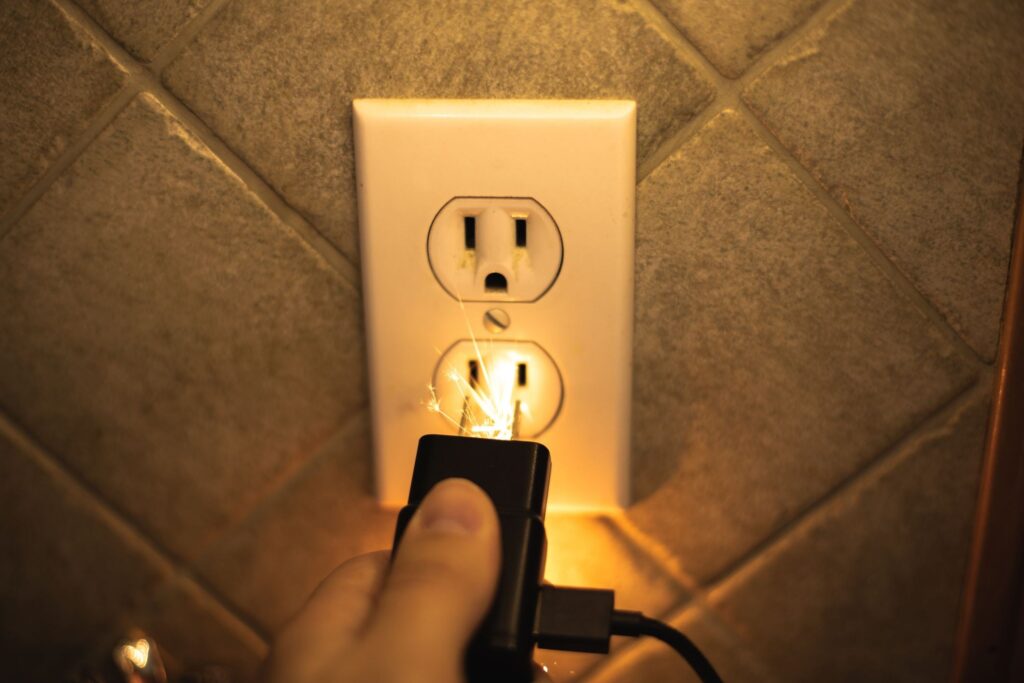
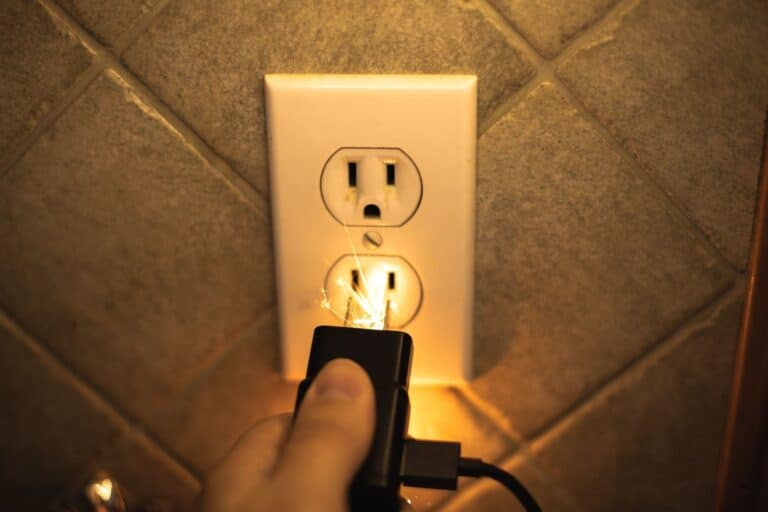
Seeing an outlet spark when you plug in a charger, lamp, or appliance is never a comfortable moment. Some sparks are harmless and last less than a split second, but others are early warning signs of damaged wiring, loose connections, or electrical stress deep inside the wall. As a licensed electrician who has inspected countless homes, I can tell you this with confidence:
A sparking outlet is not something you should ignore. Even when the spark looks small, it can be revealing a much bigger problem behind the scenes.
In this guide, I’ll walk you through everything homeowners should know from the difference between a harmless micro-spark and a dangerous electrical arc, to the real causes behind sparking outlets, to the steps a professional electrician takes to diagnose and repair the issue safely.
If your outlet is sparking when plugging in a device, this article will help you understand exactly what’s happening, how serious the problem could be, and what action you should take.
What Counts as a “Normal” Spark and What Doesn’t?
Before we get into the dangerous scenarios, let’s talk about the small blue spark that occasionally appears when plugging in a device. This can happen under specific conditions:
- The device’s switch is in the ON position
- The outlet is already energized
- The plug connects slightly unevenly before seating fully
This type of spark is usually:
- Tiny and quick
- Blue in color
- Silent
- Not repeated once the plug is fully seated
- Not accompanied by odor, heat, or discoloration
This momentary spark is caused by the electrical current jumping a microscopic gap as contact is established. It’s generally harmless for modern outlets in good condition.
But here’s where it becomes serious:
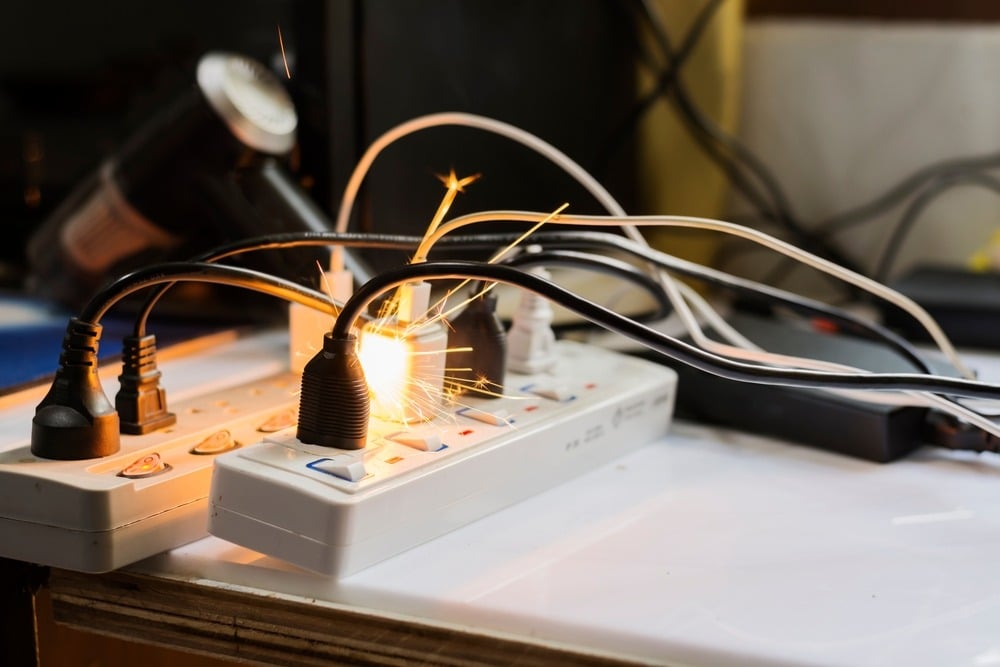
- The spark is bright yellow or orange
- The spark is large or loud
- It happens frequently
- You see smoke, smell burning, or feel heat
- The outlet looks discolored, melted, or cracked
These signs indicate electrical arcing or a failing connection, and these conditions are known to cause overheating and electrical fires.
If you see anything beyond a small blue flash, you’re no longer looking at a “normal spark” — you’re looking at a safety hazard that should be inspected immediately.
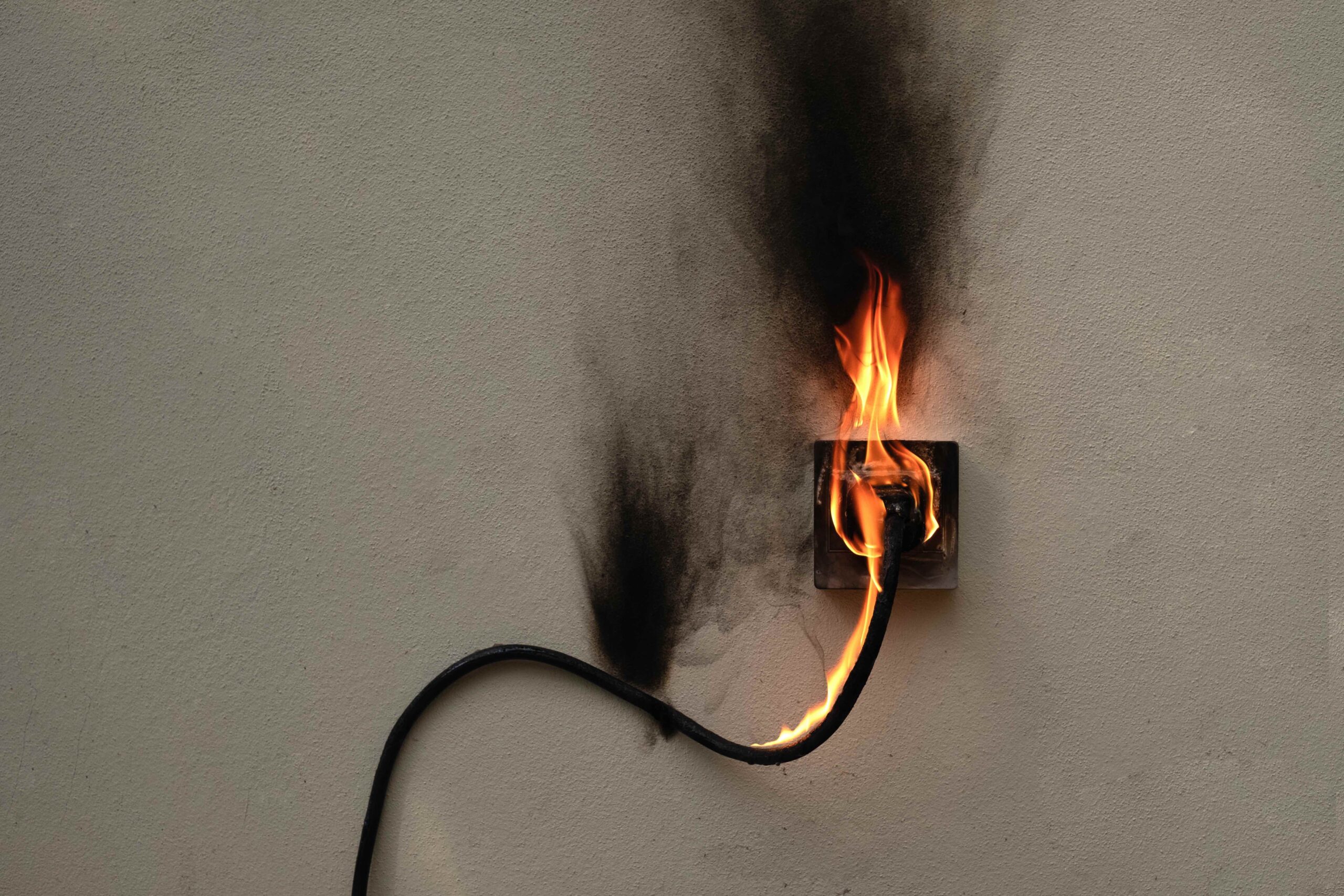
Why Outlets Spark When Plugging In: The Real Causes (Electrician’s Breakdown)
After years of troubleshooting outlet issues, I’ve found that nearly all sparking outlets fall into one of the following categories. Some problems are minor; others require immediate professional attention. Let’s look at each one in detail.
1. Loose Internal Contacts – The #1 Cause
Inside every outlet are metal clamps that grip the blades of your plug. Over time (especially with frequent use) these clamps weaken, loosen, or lose tension.
When that happens:
- Electricity jumps across the gap
- You get visible sparks
- The outlet may feel warm or intermittent
- Arcing begins inside the outlet body
Loose contacts are dangerous because arcing produces heat. Heat damages plastic, insulation, wiring, and even the drywall around the receptacle.
Warning sign: If plugs fall out easily or feel wobbly, your outlet is worn out.
Solution: Replacement by a licensed electrician.
2. Old, Worn-Out, or Low-Quality Outlets
Outlets aren’t meant to last forever, especially in older homes where they may be decades old.
Problems with aged outlets include:
- Metal fatigue
- Worn spring tension
- Cracked housings
- Increased resistance
- Heat buildup inside the receptacle
The older the outlet, the more likely it is to spark when plugging in a device.
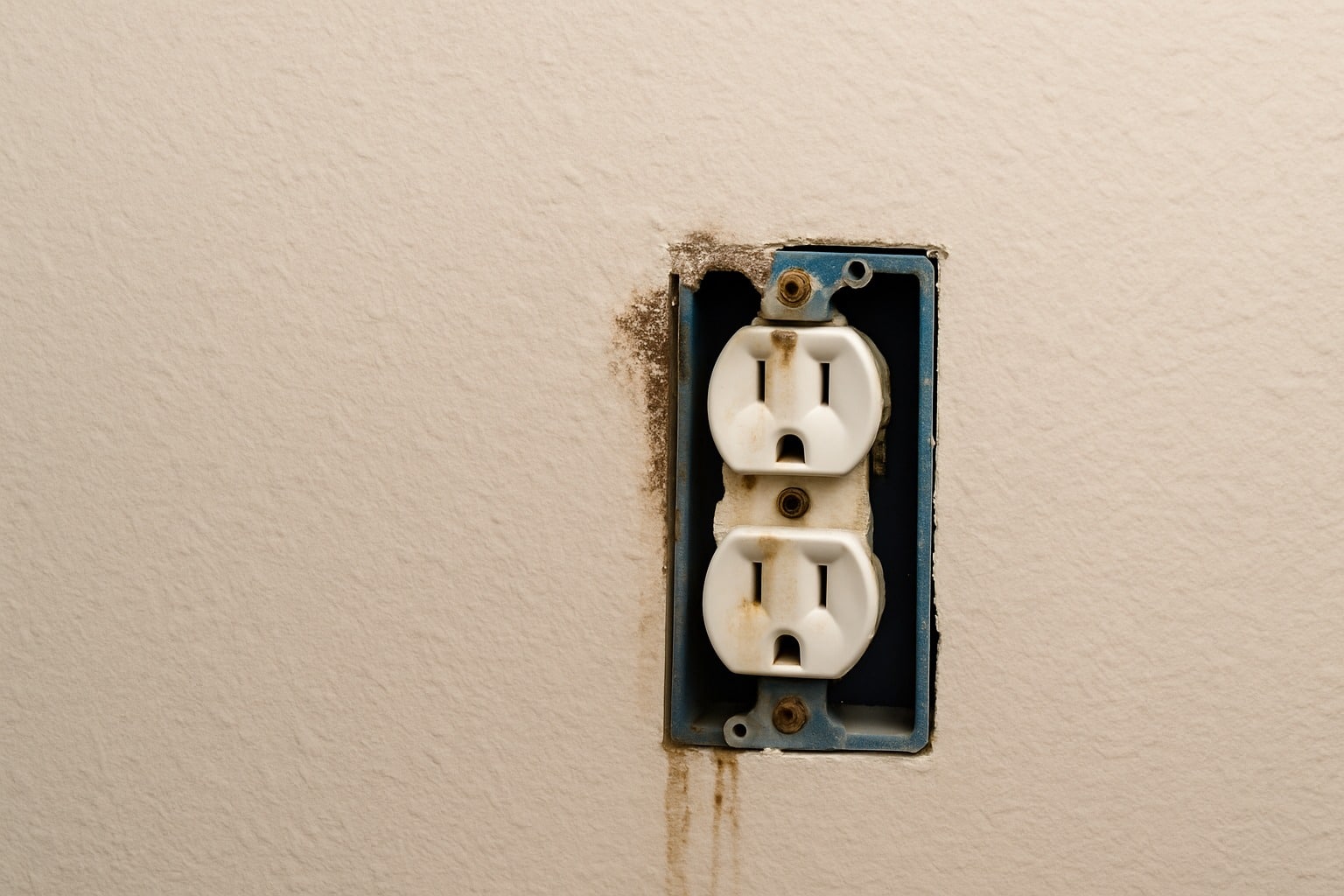
If an outlet is:
- Discolored
- Loose
- Warm
- Brittle
- No longer gripping plugs firmly
It needs to be replaced immediately.
3. Damaged or Improper Wiring Behind the Wall
Sometimes the outlet itself looks fine but the wiring behind it does not.
Common wiring issues include:
- Loose screws on terminals
- Poor backstabbed connections
- Damaged insulation
- Exposed copper
- Incorrect wire size
- Overheated or brittle conductors
Any of these can lead to:
- Arcing (sparks)
- Heat accumulation
- Burning smell
- Breaker tripping
- Fire risk inside the wall
A homeowner cannot see this problem without removing the outlet. A licensed electrician can identify it within minutes.
4. Overloaded Circuit or High Electrical Demand
When you plug a device into a circuit already under load, the sudden inrush of electricity can cause a noticeable spark.
This commonly happens with devices like:
- Space heaters
- Hair dryers
- Vacuums
- Toasters
- Power tools
If the circuit is already at capacity, adding one more device might strain it.
Symptoms of overload:
- Breaker trips when plugging in
- Lights dim
- Outlet sparks repeatedly
- Power fluctuates
If overload is the cause, the solution may involve adding a dedicated circuit or upgrading the electrical panel.
5. Faulty Appliances or Damaged Plugs
Sometimes the outlet isn’t the problem the device is.
A faulty plug can:
- Short internally
- Arc as soon as it touches the receptacle
- Generate excessive heat
- Melt its own plastic housing
Test by plugging a different device into the same outlet:
- If the spark disappears, the original device is defective.
- If the sparking continues, the outlet or wiring is faulty.
Do not continue using a device that causes sparks in multiple outlets.
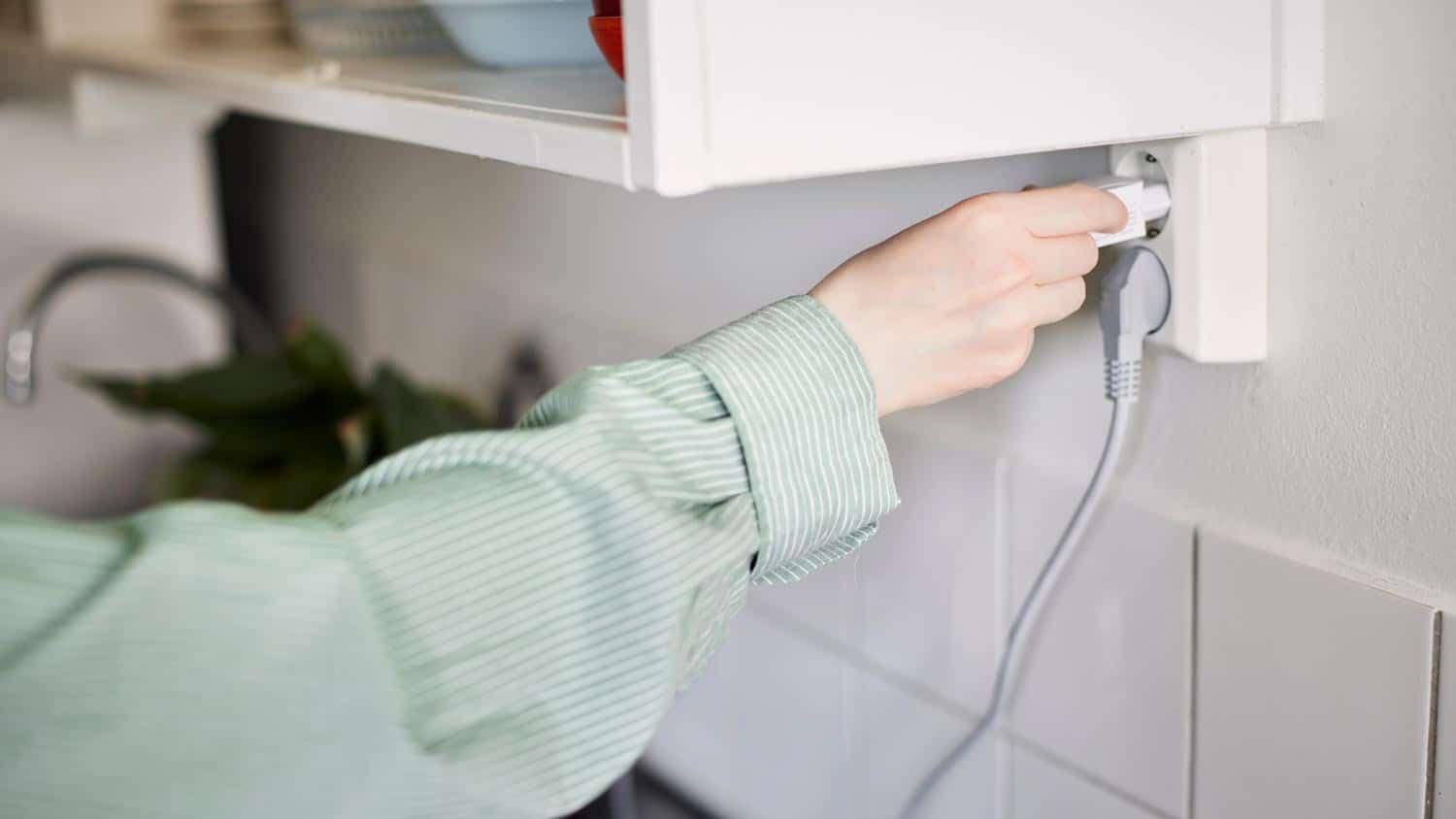
6. Moisture Inside or Around the Outlet
Water and electricity do not mix, and moisture is one of the most dangerous causes of sparking outlets.
Sources of moisture include:
- Humidity from bathrooms or kitchens
- Poor insulation near exterior walls
- Leaks in roofs or plumbing
- Condensation from weather changes
Even small amounts of moisture can cause:
- Corrosion
- Electrical arcing
- Short circuits
- Burn marks
- Immediate fire risk
Any outlet that has been exposed to moisture must be inspected and replaced if necessary.
7. DIY Electrical Work or Incorrect Repairs
Some of the worst outlet problems come from previous “repairs” performed by untrained individuals.
Common mistakes include:
- Incorrect wire colors on terminals
- Loose neutral or ground connections
- Wires wrapped in tape instead of using proper connectors
- Backstabbed wires not fully seated
- Using incompatible parts or low-quality components
- Installing an outlet too close to insulation or flammable material
DIY electrical work may not show issues immediately — it often reveals itself later as a sparking outlet.
If you recently purchased a home, or you know the previous owner handled wiring themselves, it’s smart to have a professional evaluate your outlets.
When a Sparking Outlet Becomes Dangerous (Red Flags You Must Not Ignore)
A sparking outlet crosses into dangerous territory when it creates conditions for electrical fire. Here are the warning signs you should take very seriously.
You must stop using the outlet if:
- The spark is large, bright, or loud
- The outlet feels warm or hot
- You smell burning plastic or smoke
- You see scorch marks or discoloration
- You hear popping or buzzing sounds
- The breaker trips when plugging in
- The outlet crackles even when unplugged
- Plugs slip out or feel extremely loose
- There is visible melting around the receptacle
Any one of these signals means the outlet should not be used until inspected by a licensed electrician.
What to Do Immediately If Your Outlet Sparks
Here’s what I tell every homeowner who calls me about a sparking outlet:
1. Stop Using the Outlet
Do not plug anything into it again until it has been inspected.
2. Turn Off Power to the Circuit
This prevents additional arcing while you wait for a repair.
3. Unplug Devices Safely
If there is no smoke, melting, or heat, unplug the device carefully. If there is any sign of damage, leave it and turn off the breaker.
4. Do Not Remove the Outlet Yourself
Without proper training and equipment, this is dangerous and can result in shock or further damage.
5. Schedule a Professional Inspection
Even if the spark looked small, there may be a deeper issue. A licensed electrician can confirm whether the outlet is safe or needs to be repaired or replaced.
How a Licensed Electrician Diagnoses and Repairs a Sparking Outlet
Here is what happens during a professional service call for a sparking outlet. These steps reflect the process I use during inspections.
1. Safety Check and Power Verification
I begin by confirming the outlet’s circuit is de-energized. This ensures a safe environment for inspection and prevents accidental shock.
2. Visual Exterior Inspection
Before removing anything, I look for:
- Discoloration or scorch marks
- Cracks in the faceplate or outlet body
- Melted areas or deformed plastic
- Loose screws or faceplates
- Smell of burning or ozone
This alone often tells me the severity of the issue.
3. Testing the Circuit
Using electrical testing equipment, I check for:
- Correct voltage
- Grounding integrity
- Proper polarity
- Continuity
- Load tolerance and signs of overload
This helps identify deeper wiring issues and determine whether the problem is localized or part of a bigger system failure.
4. Removing and Inspecting the Outlet
After safely removing the outlet from the box, I examine:
- Wire condition and insulation
- Terminal tightness and proper connection
- Signs of overheating or melting
- Backstabbed versus screw-terminal connections
- Moisture, corrosion, or contaminants
- Arc marks inside the electrical box
Many problems hide inside the wall, not on the outlet surface.
5. Repair or Replacement
Depending on what I find, the next step may involve:
- Installing a brand-new outlet of the correct rating
- Re-wiring the receptacle using proper techniques
- Replacing damaged conductors or connectors
- Tightening or re-terminating all wiring to the correct torque
- Replacing the electrical box if it is damaged or undersized
In homes with repeated sparking or frequent breaker trips, a circuit upgrade or electrical panel evaluation may also be recommended.
6. Final Testing
After repairs, I test the outlet under load to confirm:
- Stable voltage
- No arcing or sparking
- Solid grounding
- No abnormal heat buildup
- Correct polarity and operation
Only when everything tests correctly is the outlet considered safe to use again.
How to Prevent Sparking Outlets in the Future
Reducing the risk of electrical sparks is easier than most homeowners think. Here are habits I recommend:
1. Replace Old Outlets Regularly
Outlets should be replaced when they become loose, discolored, cracked, or after many years of heavy use. Fresh, high-quality outlets grip plugs firmly and reduce arcing.
2. Avoid Overloading Circuits
Don’t run multiple high-wattage appliances on a single circuit. If you notice frequent breaker trips or dimming lights, it’s time to have the circuit evaluated.
3. Use Quality Power Strips and Surge Protectors
Cheap extension cords and power strips are a major cause of electrical damage. Invest in quality products with proper safety ratings.
4. Keep Outlets Dry
Use appropriate covers in kitchens, bathrooms, garages, and outdoor spaces. Address leaks, condensation, and humidity issues quickly.
5. Schedule Periodic Electrical Inspections
Older homes, renovated properties, and homes with increasing electrical loads (EV chargers, larger HVAC systems, home offices) benefit greatly from regular electrical inspections.
6. Avoid DIY Electrical Work
Improper wiring is one of the most common causes of sparking outlets. Electrical work should always be performed by qualified professionals.
When You Should Call an Electrician Immediately
You should call a licensed electrician right away if:
- Your outlet sparks more than once
- You smell burning or see smoke
- The outlet is warm or hot to the touch
- The breaker trips when plugging in a device
- You hear strange popping or buzzing sounds
- Lights flicker when using the circuit
- Multiple outlets seem affected on the same wall or circuit
Electrical problems do not get better on their own. If anything, they tend to get progressively worse — and more expensive to repair.
Professional Help: Protect Your Home from Electrical Hazards
If an outlet is sparking when you plug in a device, it isn’t something you should wait on. Electrical issues escalate quickly, and what looks like a minor spark today can become a major hazard tomorrow.
A licensed electrician can:
- Identify the exact cause of the sparking outlet
- Repair or replace the outlet safely
- Inspect the circuit for hidden damage
- Ensure your electrical system meets modern safety standards
Your home’s electrical safety is worth one phone call. If a sparking outlet concerns you (even a little) schedule an inspection as soon as possible and let a professional handle the risk before it grows into something more serious.
FAQ: Common Questions About Sparking Outlets
1. Is a small spark normal when plugging something in?
A tiny blue spark can be normal under specific conditions, especially with devices that draw more power. However, repeated sparks or bright yellow or orange flashes are not normal and should be checked by an electrician.
2. Can a sparking outlet cause a fire?
Yes. Electrical arcing generates heat, and heat is a known ignition source inside walls and outlet boxes. Ignoring a sparking outlet increases the risk of an electrical fire.
3. Should I keep using an outlet that sparked once?
You shouldn’t. Even a single spark can be a symptom of a deeper issue, especially if it was large, loud, or accompanied by a smell. An inspection is strongly recommended.
4. What should I do first if I see smoke or smell burning?
Unplug the device if it is safe to do so, turn off the breaker for that circuit, and contact an electrician immediately. If you see flames or heavy smoke, evacuate and contact emergency services.
5. Can I fix a sparking outlet myself?
It is not recommended. Electrical repairs require proper tools, safety procedures, and training. Attempting to fix a sparking outlet without experience can lead to shock, injury, or further damage.
6. Why does the outlet only spark sometimes?
Intermittent sparking often indicates a loose connection, worn internal parts, or an issue with the device you are plugging in. All of these situations should be evaluated by a professional.
7. Does replacing the outlet always fix the problem?
Not always. Sometimes the wiring behind the outlet or the circuit itself is the root cause. A proper diagnosis is needed to ensure the problem is resolved fully and safely.
8. Are cheap power strips and adapters risky?
Yes. Low-quality power strips, adapters, and extension cords often cause arcing, overheating, and equipment damage. Investing in quality, properly rated electrical accessories is an important part of home electrical safety.