If you own a home in Metro Vancouver, you have probably felt the shift in electrical demand. EVs, heat pumps, induction ranges, hot tubs, basement suites, and home offices can all stack load onto an electrical system that may have been designed decades ago.
Two service sizes come up constantly in real projects: 100 amps and 200 amps. The right choice depends on what your home uses today, what you plan to add over the next few years, and how much flexibility you want without constantly juggling loads.
This guide breaks down how to think about 100A vs 200A service in British Columbia, when 100A is still a practical option, and when a service upgrade usually becomes the smarter move, especially if you are planning EV charger installation, renovations, or higher electrical demand.
What electrical service means (in plain language)
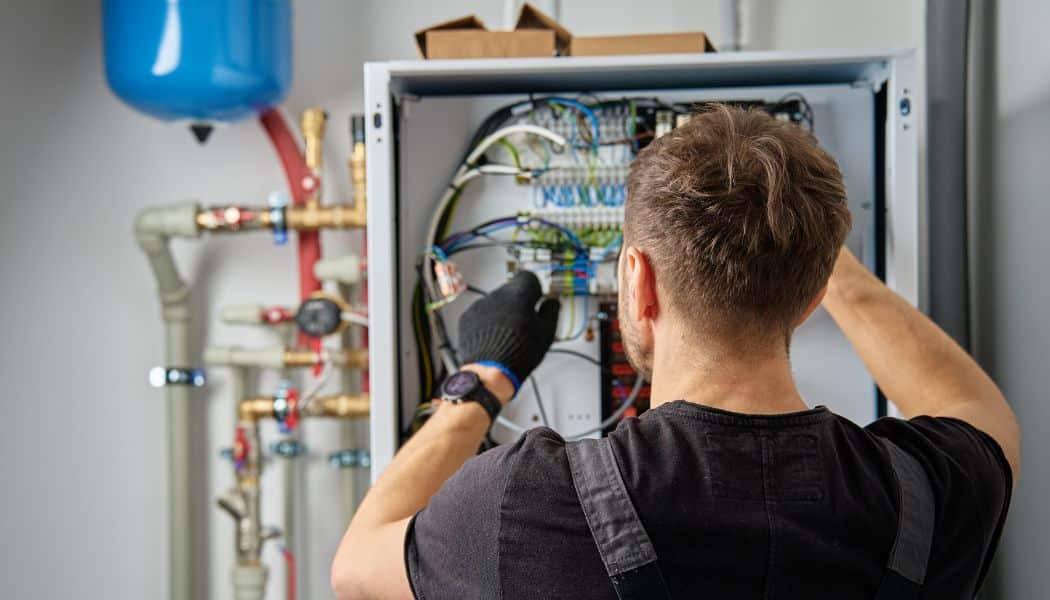
Your electrical service size (100A, 200A, etc.) is the maximum current your home can draw through the main service equipment. In most homes, that limit is tied to:
- The meter base
- The service entrance conductors (wires feeding the home)
- The main disconnect / main breaker
- The main panel (breaker panel)
So when someone says they have a 100-amp service, they are describing the overall capacity of the home’s electrical supply, not just one component.
It also helps to separate two issues that homeowners often mix together:
- Total electrical capacity (how much power your home can safely draw)
- Panel space (how many breaker slots you have available for new circuits)
A home might have enough capacity on paper but still have a packed panel with no clean way to add circuits. In those cases, homeowners often end up making compromises or needing an electrical panel upgrade so the system can handle new circuits safely.
Quick comparison: 100A vs 200A service
Here’s a practical, homeowner-focused comparison.
| Feature | 100A Service | 200A Service |
|---|---|---|
| Typical fit | Smaller homes, fewer electric loads | Most modern homes with multiple major loads |
| EV charger readiness | Often possible, sometimes requires load management | Typically easier to add Level 2 charging |
| Heat pump + electric backup | Can be tight depending on size | More flexibility for HVAC upgrades |
| Induction range + electric dryer + hot tub | Possible but can push limits | Usually comfortable with good design |
| Suite additions / renovations | May force compromises | More headroom for expansion |
| Panel space | Often limited breaker spaces | Usually more breaker spaces, cleaner layout |
| Upgrade cost/complexity | Lower if no upgrade | Higher upfront, fewer workarounds later |
A key point: 100A can still work well when your loads are modest, your panel is in good condition, and you are not planning big electrical additions. The issue is not the number 100 itself. The issue is what happens when you start adding major loads over time, and the home has no clean capacity or panel room left.
When 100A service is usually enough
You might be okay staying on 100A if most of these are true:
- Your home is smaller (or your electrical usage is simple)
- You are on gas for space heating and hot water
- No EV charger installation planned (or you only use Level 1 charging occasionally)
- No hot tub, sauna, workshop equipment, or heavy electric appliances beyond the basics
- Your panel has adequate breaker space and is in safe condition
- You are not planning a suite, big kitchen renovation, or HVAC upgrade soon
In plain terms: if you are not electrifying more of your home, and you do not have big upcoming upgrades, 100A can still be workable.
That said, a lot of 100A homes in Metro Vancouver run into limitations because the home has changed. Owners add an EV, upgrade appliances, renovate the kitchen, build a suite, or add a heat pump. The electrical system has to keep up with those changes.
If you have frequent issues like breakers tripping, dimming lights, or a panel that is maxed out, it is often a sign to investigate. In those situations, electrical troubleshooting and maintenance is usually the first step before deciding on an electrical panel upgrade.
When 200A service is the better move in Metro Vancouver
In real-world Metro Vancouver projects, these are the situations where 200A is often worth doing.
You want Level 2 EV charging without constant compromises
A Level 2 EV charger is one of the most common trigger loads. Some homes can add a charger on 100A, but it depends on what else is running and what your load calculation looks like.
People often underestimate how quickly loads add up during peak times. For example: the dryer running, the oven on, heating active, and the EV starts charging. Even if each item is normal on its own, the combined demand can become a problem in tighter systems.
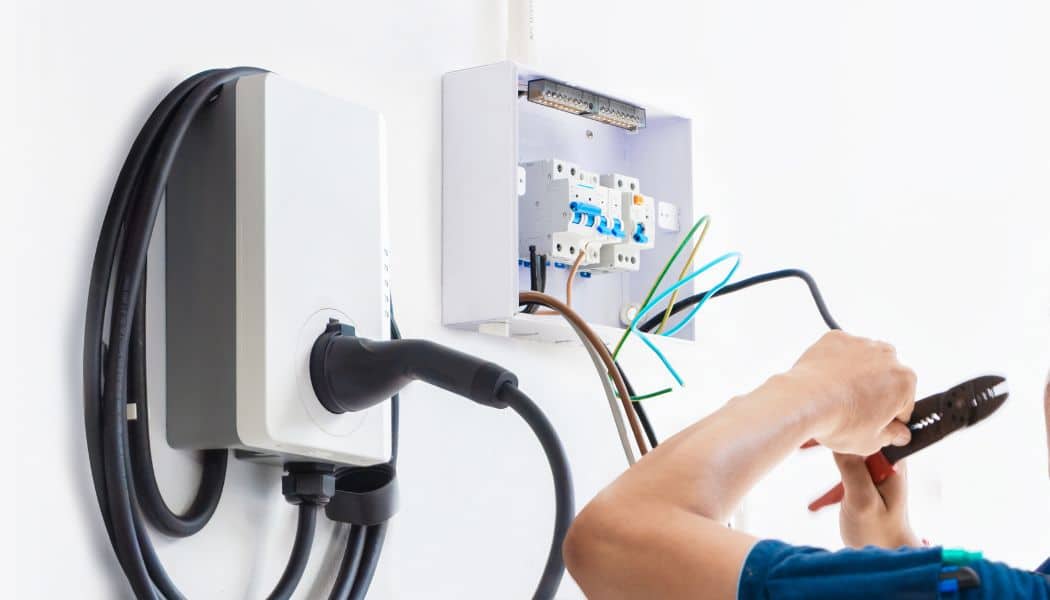
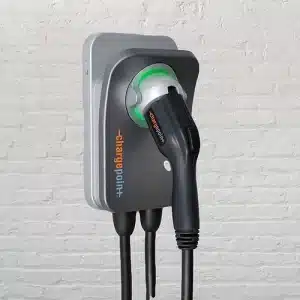
When homeowners want reliable home charging, the cleanest path is often a proper EV charger installation, and in some homes that also means planning an electrical panel upgrade to avoid overloading the system.
If you are comparing charging options, this EV Charger Installation Guide: Level 1 vs. Level 2 Charging helps explain how charging speed affects electrical demand at home.
You are switching to a heat pump or adding electric backup heat
Heat pumps are efficient, but the electrical requirements depend on the system design. Some setups include electric backup heat strips, and those can add meaningful demand.
If you are adding major electrical loads like HVAC upgrades, a well-planned electrical panel upgrade can reduce limitations and make future upgrades easier.
Your panel is full or you keep running out of breaker spaces
Capacity is one issue. Physical space is another. Older 100A panels are frequently packed tight, with limited breaker spaces, confusing labeling, and little room for future circuits.
Even if your calculated load is not maxed out, lack of breaker space can force compromises like sharing circuits or delaying upgrades. An electrical panel upgrade can solve both the space issue and the safety issue at the same time.
You are renovating the kitchen, adding a suite, or building out a basement
A suite addition often means:
- New kitchen circuits
- Dedicated laundry circuits
- More lighting and receptacles
- Ventilation loads
- Sometimes electric heating changes
On 100A, this can become a constant game of trade-offs. On 200A, you typically have more headroom and cleaner circuit planning, which makes inspections and future troubleshooting easier. Many homeowners choose an electrical panel upgrade at this stage so they do not have to revisit the service later.
You are adding a hot tub, workshop loads, or outdoor electrical upgrades
Hot tubs are a very common reason homeowners realize their system is tight. Proper hot tub wiring should be done safely, often with a dedicated circuit and correct protection.
If you are planning a spa or hot tub, a professional hot tub installation keeps the wiring, protection, and grounding done the right way.
If you also need power extended across a larger property, detached garage, or workshop, private pole installation can be part of the plan depending on distance and service layout.
The BC-specific part: permits, inspection, and BC Hydro coordination
In British Columbia, electrical work like service upgrades should be done under the right permit and inspected under the authority that enforces electrical safety requirements.
What that means for homeowners is simple:
- A proper service upgrade usually includes permit + inspection
- It may require BC Hydro involvement depending on what changes at the meter and service equipment
- The scope can vary based on overhead vs underground service, meter location, and existing condition
This is also why two homes can get very different quotes for the same upgrade. Access, service type, and existing equipment matter a lot.
100A to 200A upgrade: what actually gets changed?
People often picture a panel swap, but a service upgrade can involve multiple components:
- Main panel and main breaker (new 200A rated panel)
- Meter base (sometimes needs replacement depending on age/type and requirements)
- Service entrance conductors and mast (common with overhead services)
- Bonding and grounding updates (older systems often need improvements)
- Reconnection of existing circuits and corrections needed for safe reconnection
That last point matters. When electricians open up an older system, they sometimes find problems that should be corrected for safety and compliance. That can include improper bonding, worn components, or questionable connections. A proper electrical panel upgrade is often a chance to clean up those issues so the system is safer and more reliable long-term.
How to decide: a simple planning checklist
Use this checklist to decide whether to keep 100A or plan for 200A.
Keep 100A (for now) if:
- No EV charger installation planned in the next 12 to 24 months
- No heat pump, or heat pump without heavy electric backup
- No suite addition or major renovation planned
- Panel has room and is in good condition
- Your electrician can confirm, via load calculation, that your planned additions fit
Strongly consider 200A if:
- You want Level 2 EV charging plus future electrification (heat pump, induction, and more)
- You are adding a suite or doing a major renovation
- You want fewer limitations for future upgrades
- Your panel is full, outdated, or showing signs of wear
- You have frequent breaker trips when using multiple appliances
If you are dealing with repeated tripping breakers, sparking outlets, or power fluctuations, electrical troubleshooting and maintenance can identify the root cause before you commit to an electrical panel upgrade.
Real examples (common Metro Vancouver scenarios)
Scenario A: Townhouse, gas furnace, basic appliances, no EV
A well-maintained 100A service can be fine. You may only need a panel clean-up, better circuit labeling, or a couple of new circuits. In some homes, improving circuit organization and correcting older issues makes the system safer without requiring a full upgrade.
Scenario B: Detached home, EV charger + heat pump planned in 1–2 years
This is where planning matters. You might make 100A work with the right design choices, but if you want flexibility and fewer constraints, 200A is often the cleaner long-term choice. In many cases, homeowners combine EV charger installation planning with an electrical panel upgrade so the system is ready for future loads.
Scenario C: Basement suite being added
A suite typically pushes the design toward more circuits and more load. Many homeowners choose an electrical panel upgrade so they do not have to revisit the service later when they add more appliances or upgrade HVAC.
Scenario D: Small commercial unit or light industrial space
Commercial and industrial work is different. Demand can be driven by equipment, operating hours, and future tenant improvements. Planning early can prevent downtime and reduce costly changes later.
Many property owners start by booking a qualified Vancouver electrician or Surrey electrician to review service capacity, distribution, and upgrade options before moving ahead with tenant improvements.
Cost and disruption: what homeowners should realistically expect
It is hard to give one average price for a 100A to 200A upgrade because the variables are real:
- Overhead vs underground service
- Meter base location and accessibility
- Condition of existing service equipment
- Required bonding and grounding updates
- Amount of circuit rework and corrections needed
- Drywall and finish impacts around the panel location
What homeowners can expect is this: a 200A upgrade is usually a higher upfront investment, but it can reduce future workarounds and make EV charger installation, HVAC upgrades, and renovation planning simpler.
Other upgrades that often come up once capacity is addressed
Once the panel and service capacity is handled, homeowners often start on other upgrades they had been putting off.
- Backup power planning for home or business often includes UPS system install and repair so key loads can stay powered during outages.
- Safe electrical work for spas often starts with a properly designed hot tub installation, including correct protection and grounding.
- Extending service to detached buildings or longer property runs can involve private pole installation depending on distance and layout.
These services are often connected. For example, homeowners upgrade to 200A to support EV charger installation and then later add a hot tub or backup power system. Planning upgrades as a sequence can help reduce rework.
The smart way to approach it: plan for the next 5 to 10 years
If you plan to stay in the home and expect to add electrical loads, think beyond today’s needs. Many Metro Vancouver homeowners choose 200A not because they are maxing out 100A today, but because they want:
- A clean, modern panel layout
- Space for future circuits
- Fewer limitations for EV charger installation and electrification
- A safer, more reliable electrical system that is easier to maintain
This is especially true if you are already thinking about EV ownership, a heat pump, a suite or major renovation, or adding higher-power appliances.
Next step if you’re unsure
If you are choosing between 100A and 200A, the best next step is a site visit and load calculation based on your actual appliances and the upgrades you plan. If you are currently dealing with power issues, electrical troubleshooting and maintenance can identify what is happening and whether an electrical panel upgrade is the right move.