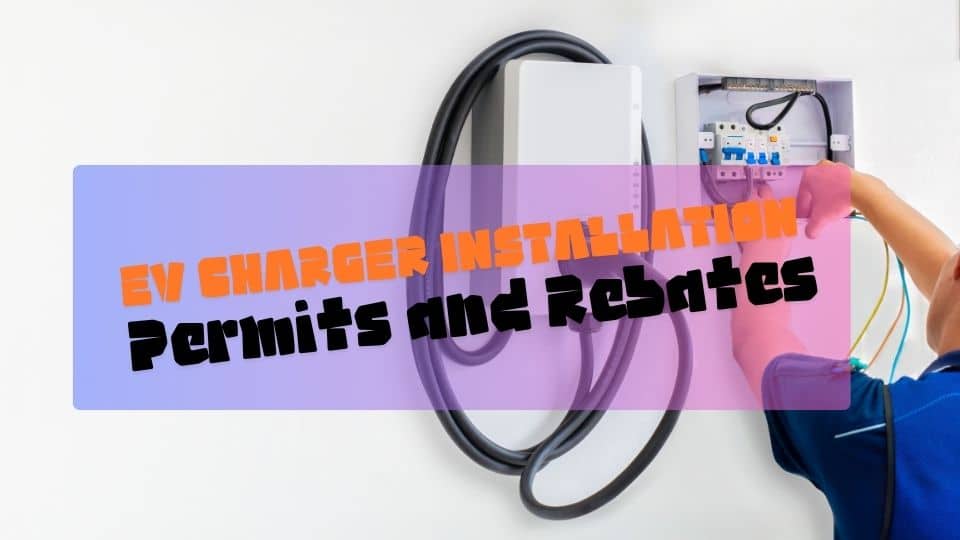

With the rise of electric vehicles (EVs) in British Columbia (BC), installing EV chargers at home or for commercial purposes has become essential. However, to ensure that installations are safe, efficient, and compliant with local regulations, it’s important to understand the necessary permits and potential rebates available. This article provides a detailed guide on the EV charger installation permits and rebates available in BC.
This article will guide you through the permit process and available rebates in BC, so you can ensure a smooth and cost-effective EV charger installation.
EV Charger Installation Permits in BC
In British Columbia, all EV charger installations require permits to ensure that they meet safety standards and adhere to local building codes. These permits are issued by local municipalities or Technical Safety BC (TSBC), depending on the scope and location of the installation.
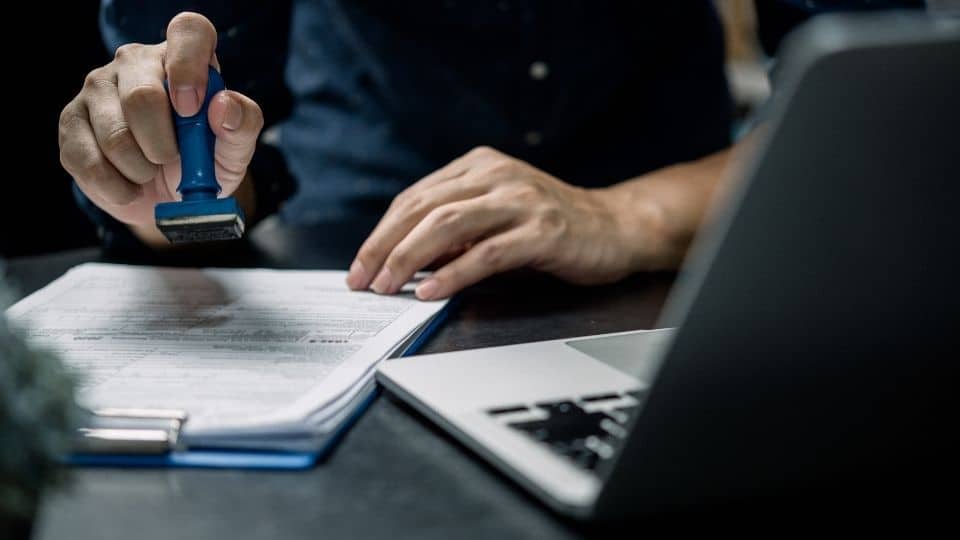
Types of Permits Required for EV Charger Installation
- Electrical Permit: An electrical permit is mandatory for all EV charger installations in BC, as the work involves significant electrical work. If you’re hiring a licensed electrician to install your charger, they will typically handle the permit application on your behalf. If you’re planning to install it yourself, you will need to apply directly through your local municipality or Technical Safety BC (TSBC).
- Building Permit: Although most EV charger installations do not require a building permit, certain circumstances may require one. For example, if the installation involves modifying structural elements of your home or adding significant new electrical infrastructure, a building permit may be necessary.
- Municipal and Regional Permits: Some municipalities may have additional requirements, especially if you’re installing chargers in multi-unit buildings or on the street. Local governments may require a special permit or specific paperwork if you are installing curbside chargers or charging stations that involve shared spaces.
| Permit Type | Description | When Needed |
|---|---|---|
| Electrical Permit | Required for all electrical work, including wiring for EV chargers. | Required for any new installation, upgrade, or replacement of electrical systems. |
| Building Permit | May be needed if the installation involves structural modifications (e.g., new conduits, mounting structures). | If the installation requires structural changes to the property. |
| Municipal Permit | Local municipalities may require additional permits for curbside installations or shared spaces. | Needed for installations involving public or shared spaces (e.g., multi-unit dwellings). |
Steps to Apply for an EV Charger Permit
- Choose a Licensed Electrician: To ensure safety and eligibility for rebates, hire a licensed electrician.
- Submit Permit Application: The electrician you hire typically submits the application for an electrical permit, providing details of the installation, such as the location of the charger, the type of system, and any upgrades to your electrical panel.
- Provide Required Documentation:
- Property address
- Electrical system upgrade details (if applicable)
- Licensed electrician’s information
- Installation specifications
- Processing Time: The permit application process can take anywhere from a few days to several weeks, depending on the complexity of the installation and the required inspections. For simple installations, the process is typically quicker.
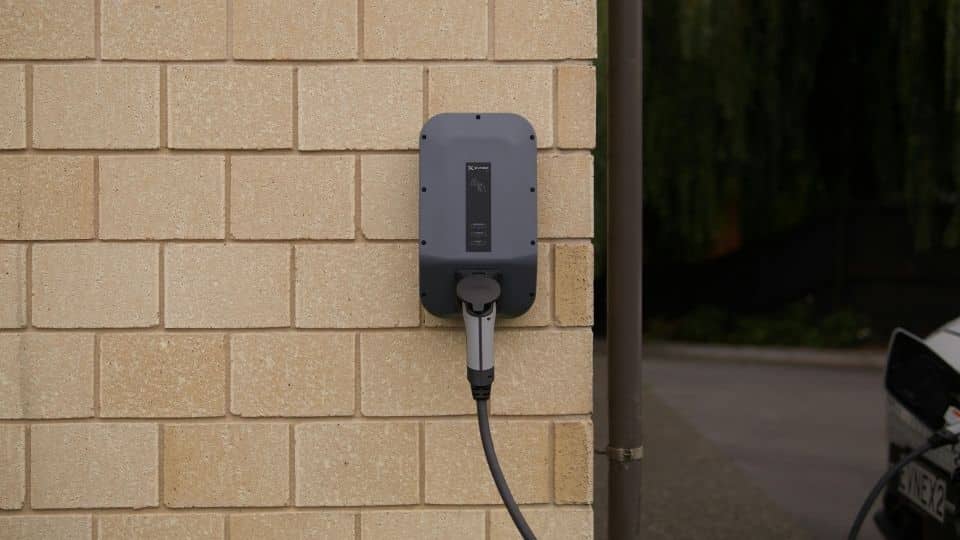
BC EV Charger Installation Rebates
BC offers several rebate programs designed to help residents and businesses offset the costs of installing an EV charger. These rebates can significantly reduce your upfront costs, making it easier to switch to electric vehicle ownership.
Available EV Charger Rebates in BC
| Program | Rebate Amount | Eligibility Criteria | Where to Apply |
|---|---|---|---|
| BC Hydro Rebate | Up to $350 or 50% of installation costs | Available for single-family homes. Charger must be Level 2 and installed by a licensed electrician. | Apply through BC Hydro |
| FortisBC Rebate | Up to $350 or 50% of installation costs | Available for residential homes and multi-unit buildings (MURBs). | Apply through FortisBC |
| CleanBC Go Electric | Up to $1,400 for Level 2 chargers | Available for single-family homes, multi-unit buildings, and commercial installations. | Apply through CleanBC |
How to Apply for EV Charger Rebates
- Eligibility: Ensure that your EV charger meets the program criteria (typically, a Level 2 charger).
- Choose a Licensed Electrician: The installation must be carried out by a licensed electrician for your installation to be eligible for rebates.
- Submit Documentation: After the installation, submit the necessary documents, including the invoice for the charger and installation, to the relevant program.
- Approval and Rebate Issuance: Once approved, the rebate will be issued either as a check or direct deposit.
Important Considerations for EV Charger Installation
- Licensed Electricians: To qualify for rebates and ensure the safety and quality of your installation, the work must be performed by a licensed electrician. A certified electrician will assess the electrical system, upgrade your panel if needed, and ensure that the installation is safe and compliant with all codes.
- Multi-Unit Buildings and Strata Councils: If you live in a multi-unit building, getting approval from the strata council is often required before installation. Many strata councils have specific guidelines for installing chargers in shared spaces.
- Pre-Approval for Large Installations: For installations involving multiple chargers in commercial properties or multi-unit buildings, pre-approval may be required before purchasing the chargers.
Steps for EV Charger Installation in BC
- Hire a Licensed Electrician: Choose an electrician certified under Technical Safety BC to handle your EV charger installation.
- Determine Eligibility for Rebates: Before installation, check your eligibility for available rebates, including those from BC Hydro, FortisBC, and CleanBC.
- Apply for Permits: Make sure your electrician handles the electrical permit application, and if required, a building permit.
- Install the EV Charger: Your licensed electrician will ensure that all installation requirements are met, including panel upgrades and the proper placement of the charging station.
- Submit Documentation for Rebates: After the installation, submit the required paperwork to your utility provider for rebates.
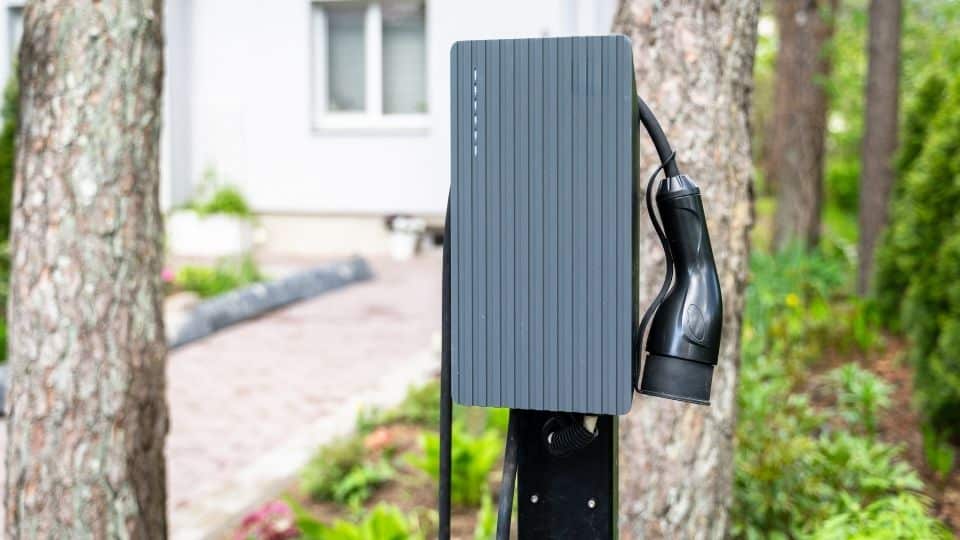
Conclusion: Simplifying Your EV Charger Installation in BC
Switching to electric vehicles is a great way to reduce your carbon footprint and save on fuel costs. With the available rebates and straightforward installation process, getting an EV charger set up in your home or business in BC is easier than ever. By following the necessary permitting steps and taking full advantage of rebate programs, you can save money and make the transition to cleaner energy.
If you’re ready to get started or need more information, VanCan Electric Ltd. can help guide you through the entire process. Our licensed electricians are experienced in EV charger installations and can assist with the application process, ensuring a smooth, hassle-free experience.
Key Takeaways
- EV charger installations in BC require permits and must comply with the Canadian Electrical Code.
- BC Hydro, FortisBC, and CleanBC offer rebates to help offset installation costs.
- All installations must be performed by licensed electricians to qualify for rebates.