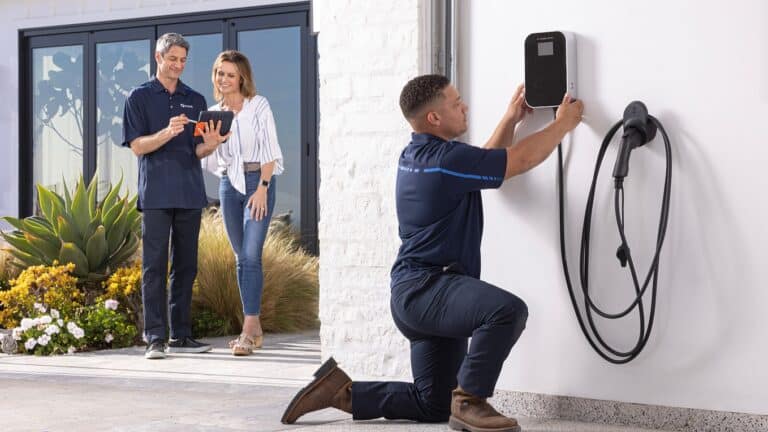
With the rise of electric vehicles (EVs), many Vancouver residents are considering installing EV chargers at home. This decision brings many advantages, including savings on fuel and greater convenience. However, one question that often arises is whether installing an EV charger at home is a worthwhile investment.
This article will provide a thorough breakdown of the installation costs, maintenance costs, savings, and the overall value of installing a home EV charger in Vancouver, Langley, and Surrey. We will also explore local incentives in British Columbia, how EV chargers can increase the value of your home, and why it makes financial sense to install one.
Initial Installation Costs
The installation of a home EV charger comes with several costs, and understanding them is essential before deciding to make the investment. Here’s a breakdown of what you can expect in terms of installation costs.
1. Cost of the EV Charger
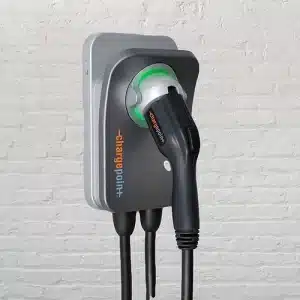
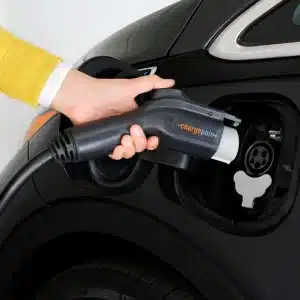
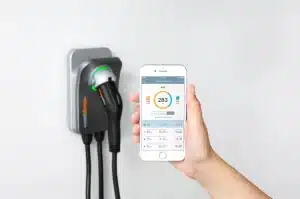
The primary expense when installing a home charger is the cost of the EV charger itself. For most homeowners, a Level 2 charger is the best option. This charger operates on a 240-volt system, and it is capable of providing a full charge to your electric vehicle overnight (typically 4 to 8 hours).
- Level 2 chargers typically range from $500 to $1,500 CAD.
- Level 1 chargers, which are slower (120-volt), are available at a lower cost but take much longer to charge the vehicle, often rendering them impractical for daily use.

2. Installation Costs
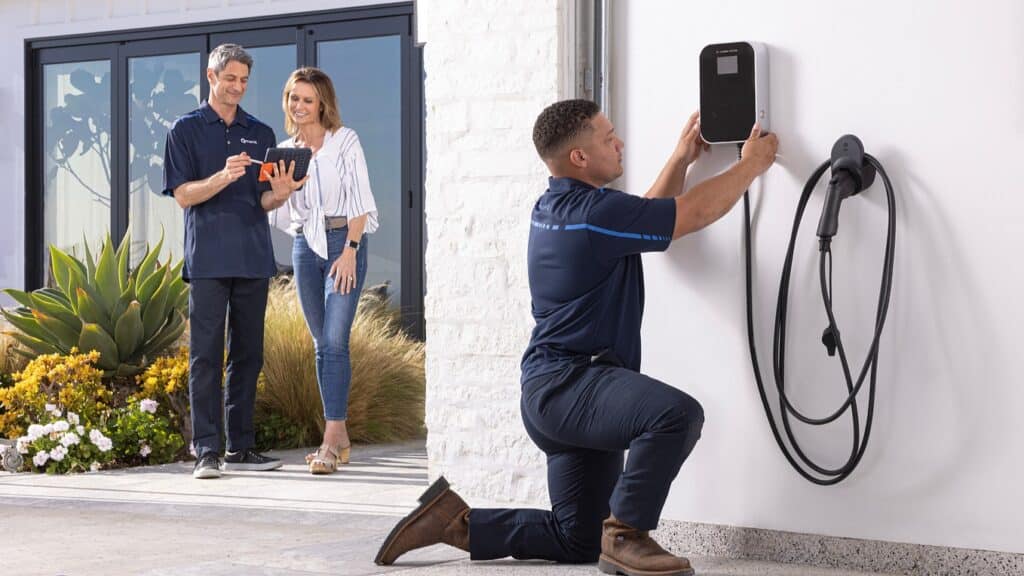
In addition to the cost of the EV charger, you will also need to factor in installation expenses. The total cost of installation depends on various factors such as your home’s existing electrical infrastructure and the complexity of the installation.
- Basic Installation: For homes with existing, adequate electrical panels, the basic installation can range from $700 to $2,000 CAD. This includes installing the charger, wiring, and labor.
- Electrical Panel Upgrade: If your electrical panel is outdated or can’t handle the additional load from the EV charger, you may need to upgrade it. This upgrade can cost anywhere from $1,500 to $4,500 CAD.
- Complex Wiring: If the EV charger is far from your electrical panel, additional wiring and trenching may be required, which can increase the cost. Expect to pay an additional $15 to $25 per meter for this extra work.
- Permits and Inspections: In Vancouver, you will need to get a permit and an inspection to ensure that the installation complies with local electrical codes. This typically costs between $100 and $300 CAD.
3. Additional Expenses
There may be additional costs depending on your home’s infrastructure:
- Upgrading the electrical panel if it’s outdated or cannot handle the added load (this can cost anywhere from $1,000 to $3,000 CAD).
- Electrical permits and inspections, which could cost a few hundred dollars depending on local regulations.
- Location considerations: Installation costs may increase if the charger is installed far from the electrical panel or requires additional wiring through difficult-to-access areas.
4. Potential Savings through Incentives
Many municipalities and provinces offer rebates and incentives for the installation of EV chargers. For example, in British Columbia, you can receive up to $350 CAD as part of the CleanBC Go Electric Program, which can help offset the initial installation costs. Additionally, some local utilities may offer rebates, further reducing the overall cost.
Ongoing Maintenance and Usage Costs
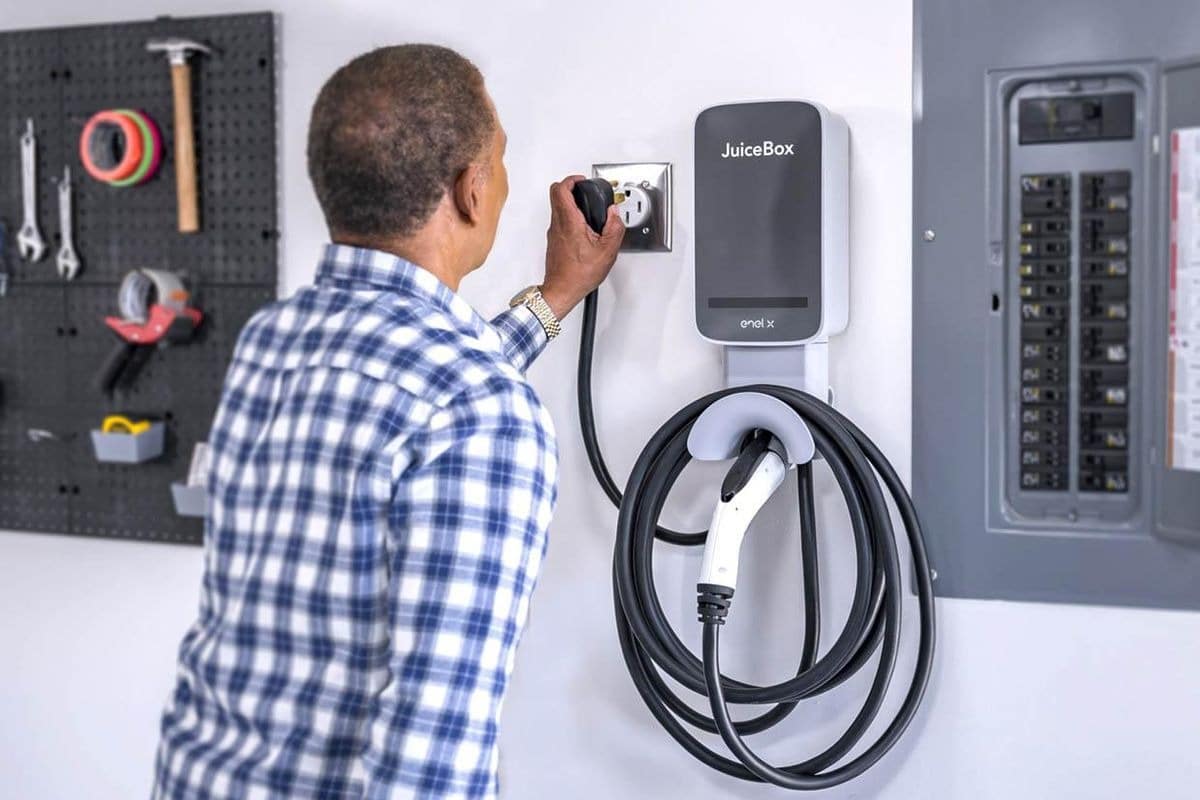
Once your EV charger is installed, the ongoing maintenance costs are relatively low. However, it’s important to understand the potential costs involved in maintaining and operating your EV charger.
1. Maintenance Costs
EV chargers require very little maintenance. Routine maintenance usually consists of cleaning the unit and checking for any minor issues. Maintenance costs typically range from $150 to $400 per year.
Basic Maintenance: This includes cleaning the unit and inspecting for any damage or wear.
Repairs: In rare cases, unforeseen repairs may be necessary (for example, due to electrical surges). These costs can be higher but are generally uncommon.
2. Charging Costs
The most significant ongoing cost associated with an EV charger is the electricity cost for charging your vehicle. Fortunately, charging your vehicle at home is significantly cheaper than using public charging stations.
- On average, charging an EV at home costs about $10 to $20 CAD per month, depending on the size of your vehicle’s battery and how much you drive.
- Time-of-use electricity plans: In British Columbia, if you’re on a time-of-use electricity plan, you can take advantage of lower rates during off-peak hours, which can further reduce your charging costs.
3. Savings from Charging at Home
Charging your EV at home is much more affordable compared to public charging stations. On average, charging at public stations costs about $1 to $1.50 per hour, while charging at home costs only $0.10 to $0.20 per kWh.
For instance, charging a 60 kWh battery at home would cost you about $6 to $12 CAD, while using a public fast charger could cost between $30 to $45 CAD for the same amount of power.
Factors Influencing the Investment’s Value
Whether installing an EV charger at home is a good investment depends on several key factors:
1. How Much You Drive
If you frequently use your electric vehicle for long distances or commutes, having a home charger is a convenient and cost-effective choice. You’ll always have a full battery in the morning, saving time and effort that would otherwise be spent at public charging stations.
2. Your Home’s Electrical Capacity
If your electrical panel is older or cannot handle the load of an EV charger, you will need to upgrade it, which can add significant costs. However, if your panel is newer or already has sufficient capacity, installation costs will be lower.
3. Local Electricity Rates
Electricity rates in your area can impact your overall savings. For example, BC Hydro offers time-of-use electricity plans, which allow you to charge your vehicle during off-peak hours for reduced rates, making home charging more affordable.
4. Government Incentives
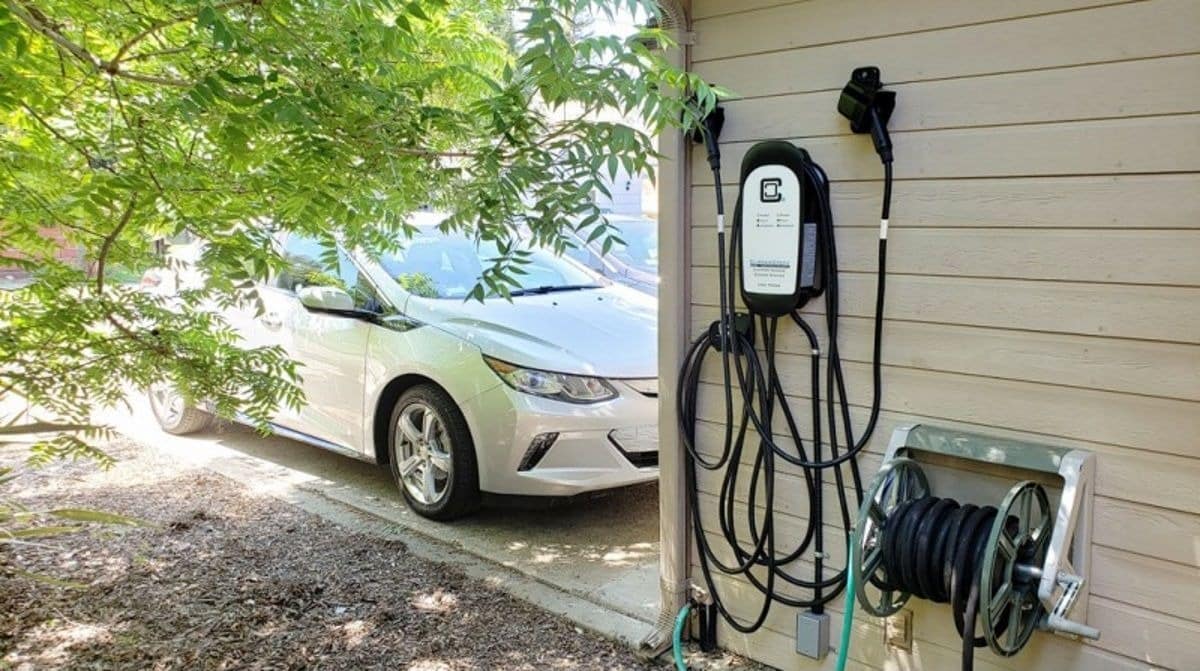
Government rebates and incentives, such as the CleanBC Go Electric Rebate, can help reduce the cost of installation significantly, making it a more affordable option for homeowners.
5. Increase in Home Value
Installing an EV charger can increase the value of your home, particularly as the demand for EV-ready homes continues to grow. Homes with charging stations are increasingly attractive to prospective buyers, especially as electric vehicle adoption rates rise.
Return on Investment (ROI) Calculation
The ROI for installing an EV charger depends on several factors. Here’s a breakdown of the potential ROI based on the installation and ongoing savings:
| Factor | Cost (Initial) | Annual Savings | Payback Period |
|---|---|---|---|
| Installation Costs (EV Charger) | $1,500 – $5,000 | Variable | |
| Electricity Savings (Home Charging vs Public Stations) | $120 – $240/year | ||
| Fuel Savings (Gasoline Vehicle) | $600 – $1,200/year | ||
| Government Incentives (BC Rebates) | $350 (or more depending on local programs) | Immediate Savings | |
| Increase in Home Value | Variable | Depends on market conditions | |
| Annual Maintenance Costs | $150 – $400/year | Ongoing |
Is It Worth the Investment?
For most homeowners, installing an EV charger is worth the investment. The long-term benefits—such as convenience, cost savings on electricity, and the potential increase in home value—make it a smart financial decision, especially if you drive an EV regularly.
If you frequently drive your electric vehicle, the convenience of charging at home combined with the savings on fuel and charging fees at public stations makes a home EV charger a cost-effective solution. For those who don’t drive their EV often or don’t mind using public charging stations, the initial investment might not be justified.
Conclusion
Installing a home EV charger is a valuable investment for electric vehicle owners, especially those who use their vehicles daily and want the convenience of charging at home. The initial installation costs may seem high, but the long-term savings on fuel, electricity, and maintenance costs, combined with government incentives, make it a financially sound decision in the long run.
For those interested in electric vehicle home charging in Vancouver, Langley, and Surrey, it’s recommended to consult a professional electrician to assess the specific requirements and installation costs for your home.
Contact VanCan Electric Ltd. today to schedule your EV charger installation and take advantage of government rebates for a cost-effective, eco-friendly solution!