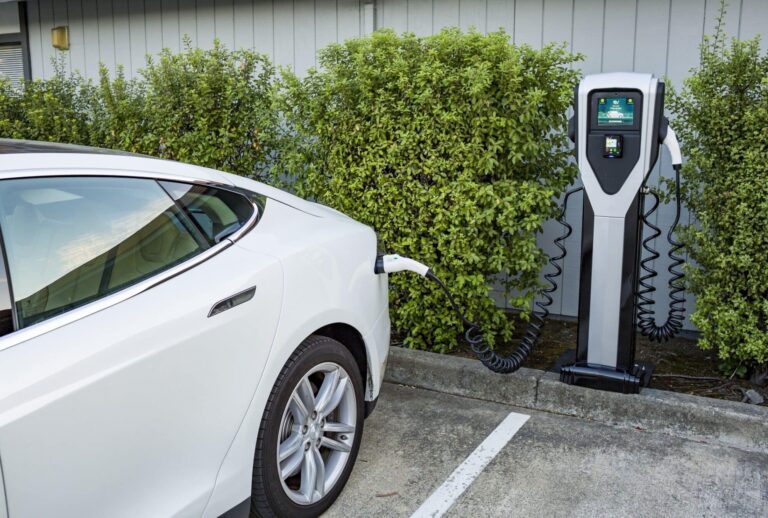
When it comes to owning an electric vehicle (EV), one of the most frequent questions that arises is how much electricity will charging consume and how much will it cost me at home? Whether you’re new to the EV world or considering the transition to electric driving, understanding the power consumption of your EV charger is crucial for calculating running costs, estimating the impact on your energy bill, and determining your home’s electrical readiness for installation.
In this detailed guide, we will break down everything you need to know about EV charger power consumption, from the amount of power used by different types of chargers to the factors that influence electricity usage, and how to optimize your energy consumption for cost savings.
Let’s dive into the details:
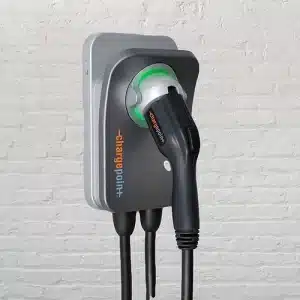
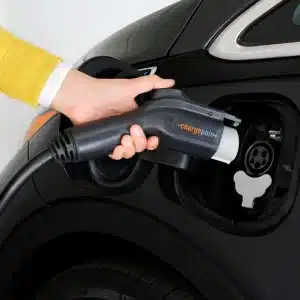
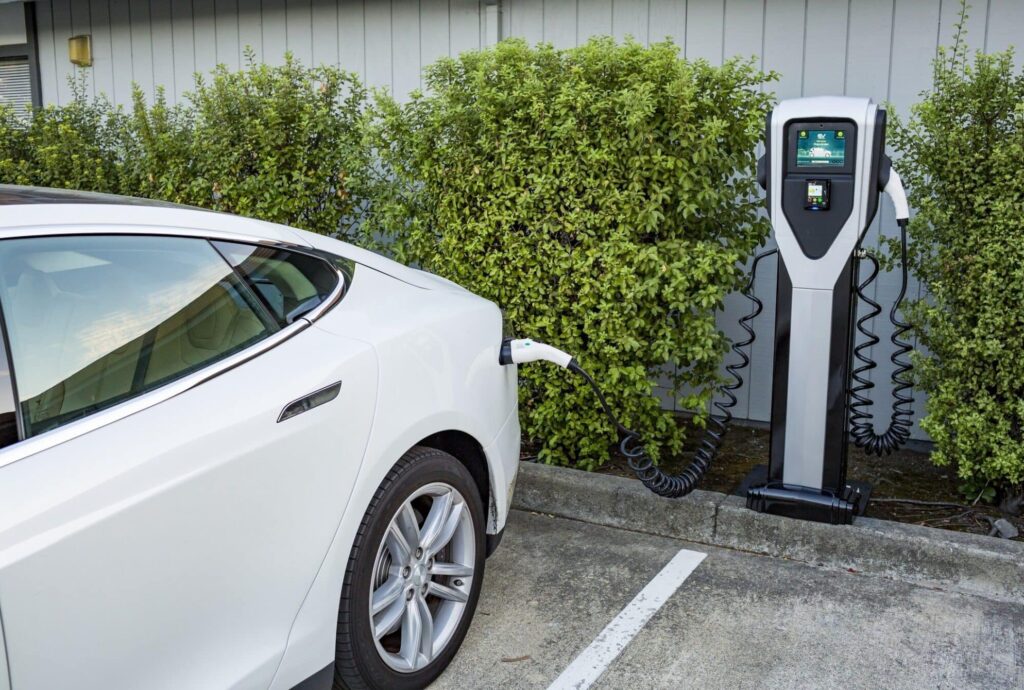
Types of EV Chargers and Their Power Usage
There are two primary types of EV chargers used in residential homes: Level 1 chargers and Level 2 chargers. The amount of power each one uses varies depending on its specifications and the way it interacts with your home’s electrical system.
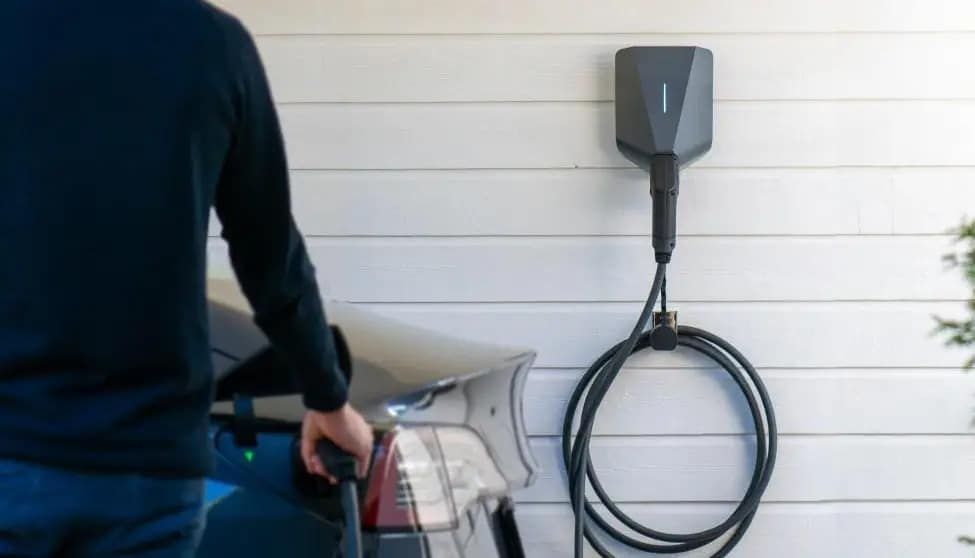
Level 1 Charger (120V)
Level 1 chargers use a standard 120-volt household outlet to charge your electric vehicle. While this is the slowest method of charging, it is also the most basic and requires no additional installations beyond what is already in place for other household appliances.
- Power usage: Typically 1.3 to 1.9 kW per hour (depending on the car’s needs).
- Charging speed: About 4 to 5 miles of range per hour of charging.
- Advantages: Convenient if you don’t drive much daily and have a lot of time to charge overnight.
- Disadvantages: Very slow, and not ideal for long-distance or high-frequency charging needs.
Level 2 Charger (240V)
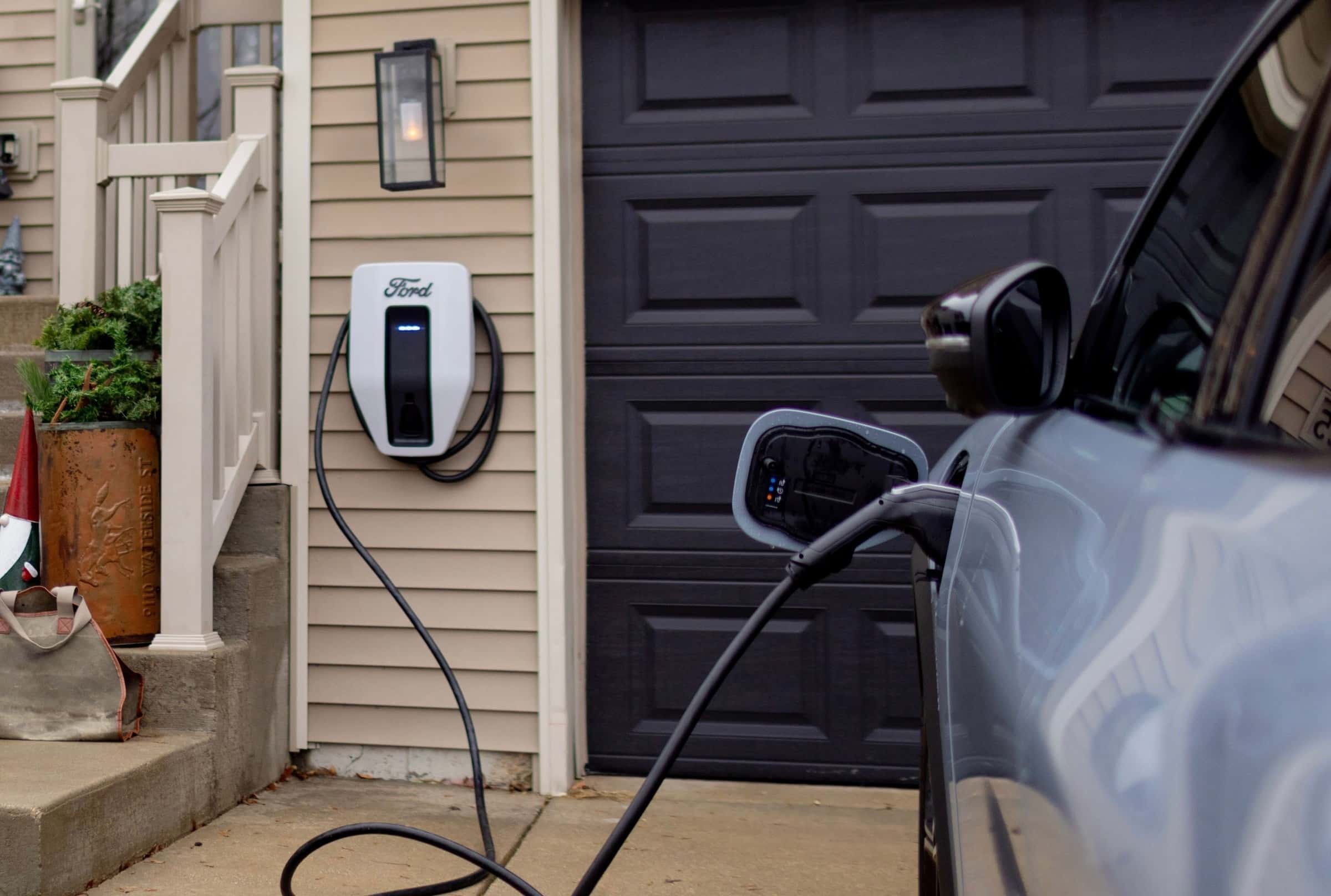
Level 2 chargers, on the other hand, operate at a 240-volt current, which is commonly used for home appliances like dryers or ovens. These chargers provide a much faster charging rate, and most EV owners who rely on their vehicle for daily commuting or long trips use this type of charger.
- Power usage: Typically 3.3 to 7.2 kW per hour, but can go up to 22 kW depending on the charger’s rating and your vehicle’s needs.
- Charging speed: About 12 to 60 miles of range per hour of charging (varies by car model and charging power).
- Advantages: Faster, more efficient charging; typically can fully charge an EV overnight.
- Disadvantages: Requires installation of a dedicated 240V circuit, which might involve an electrician if you don’t already have one.
How Much Power Does an EV Charger Use Per Month?
To understand the monthly energy usage, we need to look at several factors:
- How often you charge your vehicle
- How much energy your car’s battery requires to charge fully
- The efficiency of your charger
For example, let’s assume you drive approximately 1,000 miles per month, and your EV consumes 30 kWh per 100 miles. This means you’ll need 300 kWh per month to cover your driving distance.
Next, let’s estimate the electricity consumption when charging:
- If you use a 7.2 kW Level 2 charger, you would typically need to plug in for about 4–5 hours per night to replenish your battery fully.
- That equates to 28.8 kWh–36 kWh per week, or 115.2 kWh–144 kWh per month.
Power Usage Calculation Example
| Vehicle Use | Power Consumption | Charger Power | Estimated Monthly Power Usage |
|---|---|---|---|
| 1,000 miles/month | 30 kWh/100 miles | 7.2 kW (Level 2) | 120-140 kWh/month |
This is a rough estimate, and the actual consumption can vary based on battery size, charging habits, and driving conditions.
Factors That Affect the Power Consumption of EV Chargers
1. Vehicle Battery Size and Charging Efficiency
The size of the EV battery directly impacts how much power is required to fully charge the vehicle. Larger batteries will consume more power. In addition, the efficiency of the vehicle’s internal charging system can influence the total energy required, as some energy is always lost during the charging process.
- Smaller batteries: Typically require less power and charge faster.
- Larger batteries: Require more power, but often take longer to charge.
2. Driving Habits and Frequency of Charging
How often you drive and how much power your car needs to maintain its charge are major factors in how much electricity will be consumed.
- Frequent driving: More regular charging will increase energy use.
- Long trips: Longer trips generally require faster charging and more power.
3. The Power Rating of the Charger
The higher the kW rating of your charger, the faster it will charge your vehicle. However, higher-power chargers also draw more electricity.
- Level 1 chargers (120V) are the slowest and consume the least energy per hour.
- Level 2 chargers (240V) are faster and consume more power.
4. Ambient Temperature and Weather Conditions
Cold weather can impact the charging speed and efficiency of an EV. Batteries tend to perform less efficiently at lower temperatures, leading to longer charging times and potentially more power usage.
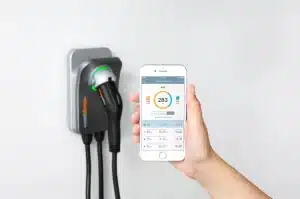
5. Type of Charger Used (Smart Charging)
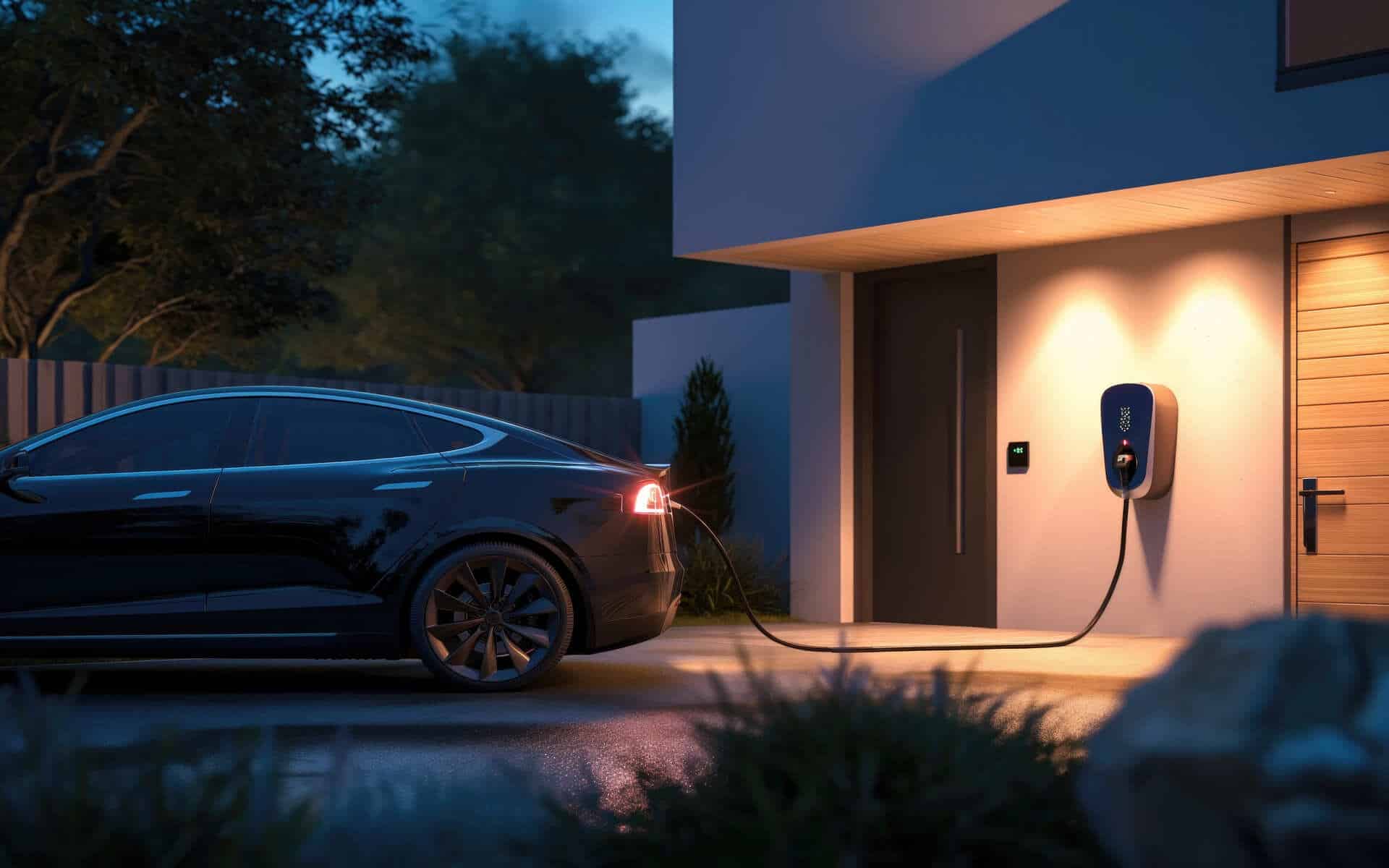
Smart chargers have the ability to optimize charging times based on electricity rates. For instance, many electric utilities offer lower rates during off-peak hours, and smart chargers can automatically charge your vehicle during these cheaper times.
How to Calculate EV Charging Costs at Home
Charging your electric vehicle at home will impact your electricity bill. The key is understanding your kWh usage and the rate you’re charged per kilowatt-hour.
Cost Calculation Formula:
Monthly Power Usage (kWh) × Electricity Rate ($ per kWh) = Monthly Cost
Example Calculation:
| Factor | Value |
|---|---|
| Monthly EV Energy Usage | 300 kWh |
| Electricity Rate | $0.12 per kWh |
| Estimated Monthly Cost | $36 |
In this example, charging your vehicle for 1,000 miles per month would cost approximately $36/month on your energy bill. Of course, this figure can vary depending on your location, electricity provider, and usage habits.
EV Charger Power Consumption vs. Household Appliances
It’s often helpful to compare the power usage of your EV charger to common household appliances. This allows you to see how charging fits into the overall energy consumption of your home.
| Appliance | Power Usage (kWh) | EV Charger (Level 2) |
|---|---|---|
| Refrigerator | 150-200 kWh/year | 2-3 kWh per full charge |
| Dishwasher | 1.5-2 kWh per cycle | 7.2-7.5 kWh per charge |
| Air Conditioning (500 sq ft) | 3-5 kWh per day | 7-7.2 kWh per charge |
| Clothes Dryer | 3-6 kWh per load | 7-7.2 kWh per charge |
| EV Charger (Level 2) | 7-9 kWh per charge | Varies by vehicle battery |
As you can see, charging an electric car can be more comparable to using appliances like clothes dryers or air conditioners, but it generally uses less energy than the average home appliance over the course of a day or week.
How to Optimize Charging and Save on Electricity Costs
There are several ways to optimize your home’s energy consumption when charging your EV, which can help save money in the long term:
1. Charge During Off-Peak Hours
Many utility providers offer cheaper electricity rates during off-peak hours, typically during the night. Smart chargers can be set to automatically charge your EV during these times to take advantage of lower rates.
2. Use Energy-Efficient Chargers
Select an energy-efficient charger that is compatible with your vehicle and optimized for fast charging. Newer models are designed to use less electricity and can reduce the overall cost of charging.
3. Install Solar Panels for Charging
If you’re looking for a sustainable option, consider pairing your EV charger with solar power. Solar panels can provide clean, renewable energy to charge your EV, potentially lowering your electricity costs even further.
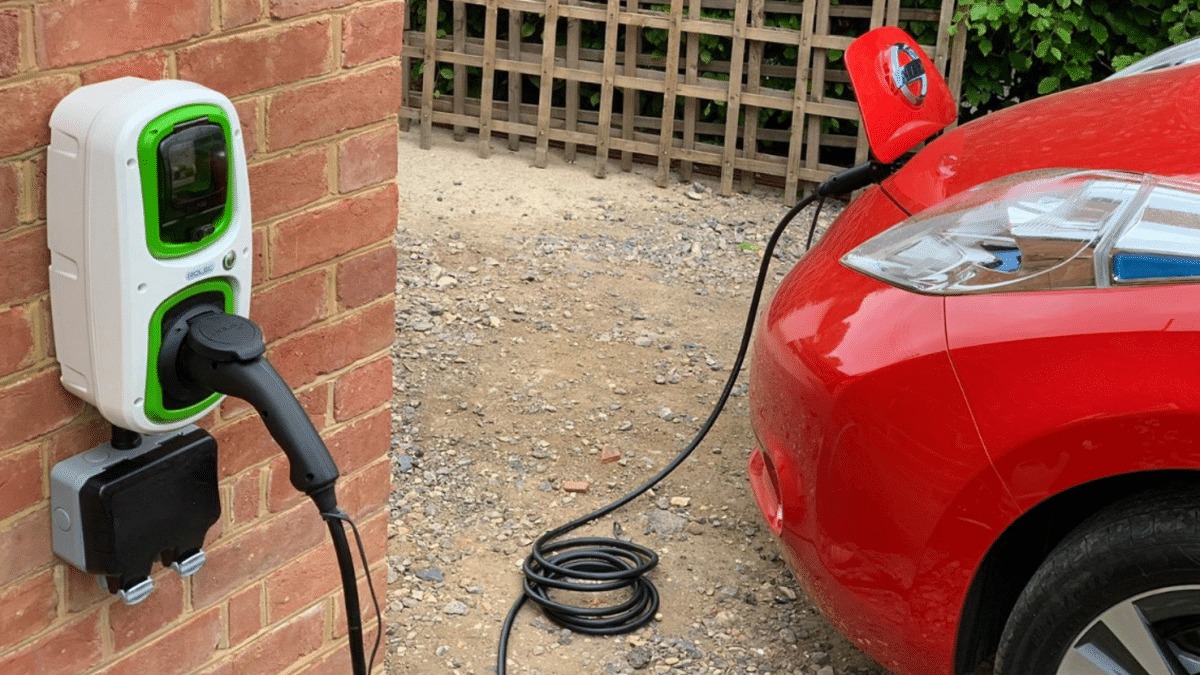
When to Call a Professional Electrician for EV Charger Installation
You should consider professional help when:
- Your existing electrical panel is old or already near capacity
- You don’t have a dedicated 240V circuit in your garage or parking spot
- You plan to install a charger over 7 kW or add a second EV in the future
- You’re unfamiliar with local electrical code/regulations
- You want smart charging, surge protection, or home-grid integration
A licensed electrician will ensure safe, code-compliant installation and help future-proof your home’s electrical system.
Ready to Install Your EV Charger? Contact Us Today!
If you’re thinking about installing an EV charger or want to know whether your home electrical system can support it, our team at Vancan Electric is ready to help. We offer:
- Full inspection of your electrical panel and load capacity
- Dedicated 240V circuit installation
- Reliable, professionally installed home EV chargers
- Smart scheduling, surge protection, and energy-efficient setup
- Transparent cost estimate and follow-up support
Contact us today to ensure your home is EV-ready and safe for charging.