As electric vehicles (EVs) continue to gain popularity in Canada, the need for efficient and reliable home charging solutions becomes more essential. Installing the right EV charger in your home not only makes charging convenient but also helps optimize the performance of your vehicle and reduces energy costs. With various options available in the market, it’s important to choose a charger that suits your needs, budget, and home setup.
Types of EV Chargers for Home Use
When it comes to charging your EV at home, there are mainly three types of chargers you should consider: Level 1, Level 2, and Smart chargers. Each of these chargers has distinct features and benefits depending on your requirements.
Level 1 EV Charger: The Basic Option
A Level 1 EV charger is the most basic form of charging for electric vehicles, which uses a standard 110-volt outlet — the same one you use for everyday household appliances.
- Charging Speed: A Level 1 charger is slower compared to the other types. It adds approximately 4 to 6 km of range per hour of charging, making it suitable for those who drive short distances daily and have overnight charging time available.
- Best for: Those who drive relatively short distances, live in smaller homes with limited space, or prefer a simple installation with no major electrical upgrades.
- Pros: No installation cost, easily available.
- Cons: Slow charging speed, not ideal for daily long-distance commuters.
Level 2 EV Charger: The Fast, Efficient Choice
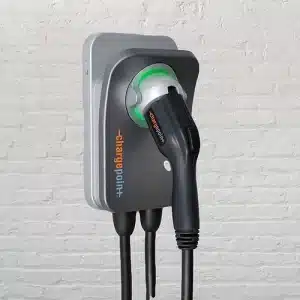
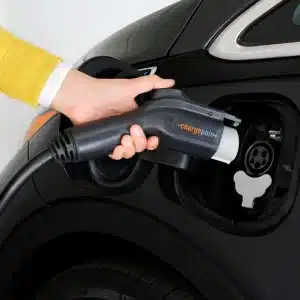
A Level 2 EV charger operates on a 240-volt outlet, which is similar to the one used by electric dryers or ovens. It provides faster charging times and is the most popular option for homeowners.
- Charging Speed: A Level 2 charger can add anywhere from 15 to 40 km of range per hour, depending on the charger and your EV model. This is much faster than a Level 1 charger, and it’s perfect for those who need their car ready to go the next day.
- Best for: People who commute longer distances or have a high energy demand. It’s ideal for larger households with multiple electric vehicles.
- Pros: Fast charging, reliable, and widely available.
- Cons: Requires installation by a licensed electrician, and may need a dedicated 240-volt circuit, which can increase installation costs.
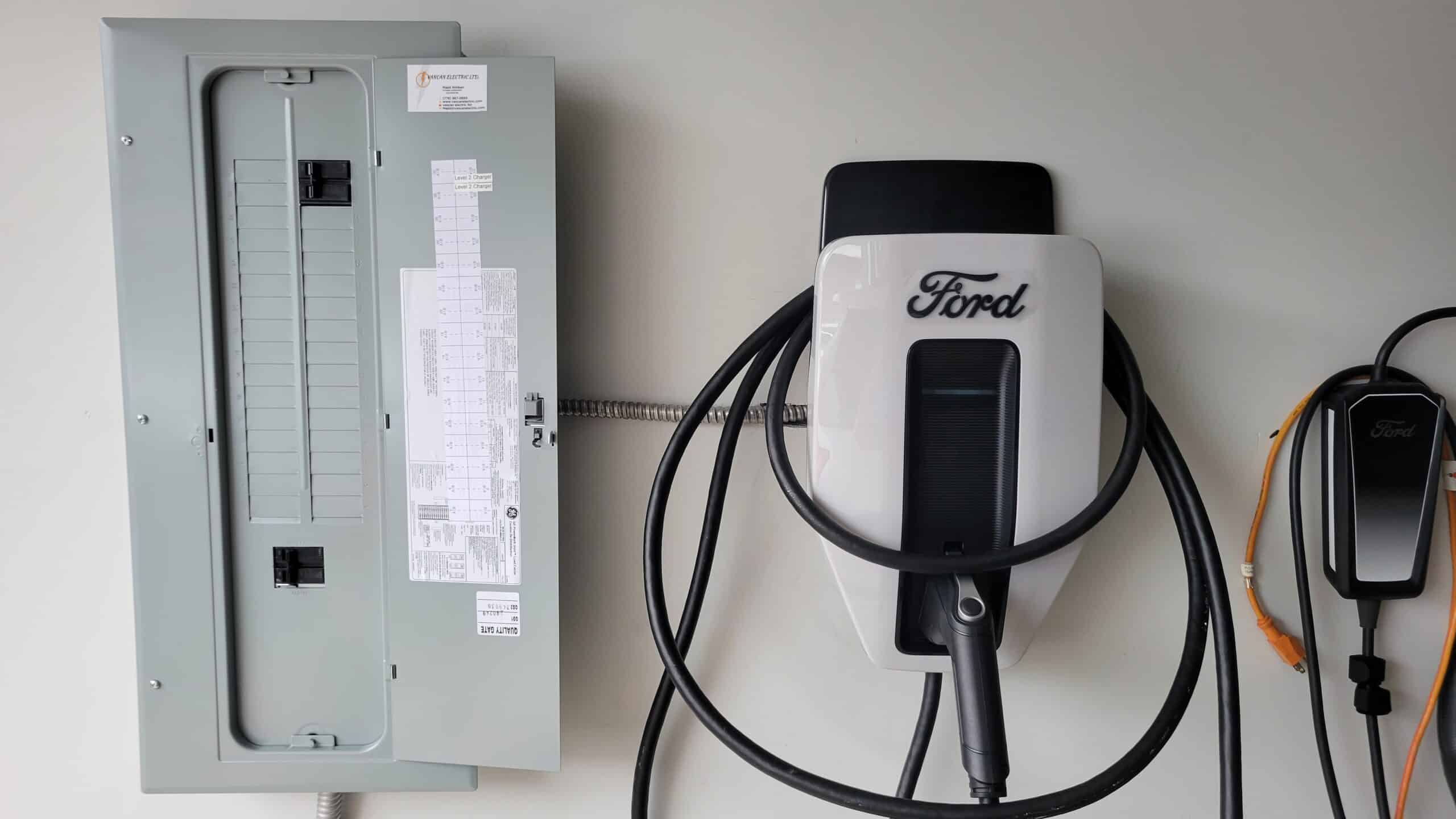
Smart EV Chargers: The Future of Home Charging
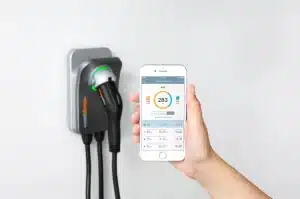
Smart EV chargers are a relatively new addition to the market. These chargers come with advanced features, including the ability to connect to your smartphone or home automation system.
- Charging Speed: Similar to Level 2 chargers, but with added convenience. The key difference is the ability to monitor and control charging remotely.
- Best for: Tech-savvy individuals who want the ability to schedule charging times, track energy consumption, and control costs.
- Pros: Real-time monitoring, remote control via an app, optimized energy use.
- Cons: More expensive than standard Level 2 chargers, may require an internet connection.
Key Features to Look for When Buying an EV Charger
When selecting an EV charger for your home, several key factors should guide your decision:
- Charging Speed: Level 1 is slow, while Level 2 and smart chargers provide faster results. Consider how much time you typically have to charge your EV overnight.
- Compatibility with Your EV: Not all EV chargers are compatible with all vehicle types. Make sure to check whether the charger you’re considering supports your car’s make and model.
- Installation Requirements: Level 2 chargers require a 240-volt outlet and may need an upgrade to your home’s electrical system. Check if your home can support the new installation.
- Smart Features: If you want to manage your energy consumption, a smart charger will allow you to schedule charging during off-peak hours to save money.
- Warranty & Support: Look for a charger with a good warranty and support system. This ensures that if anything goes wrong, you can get assistance or replacements easily.
- Cost of Installation: The installation cost for Level 2 chargers is higher than Level 1 chargers, but it is still a great investment due to the faster charging speed.
Conclusion
Choosing the right EV charger for your home in Canada depends on factors like your vehicle’s needs, available space, budget, and whether you need advanced features. Level 2 chargers are the most popular option for faster charging, while smart chargers offer extra convenience for tech enthusiasts. Don’t forget to consider the installation costs and ensure your home’s electrical system can support the charger you choose.
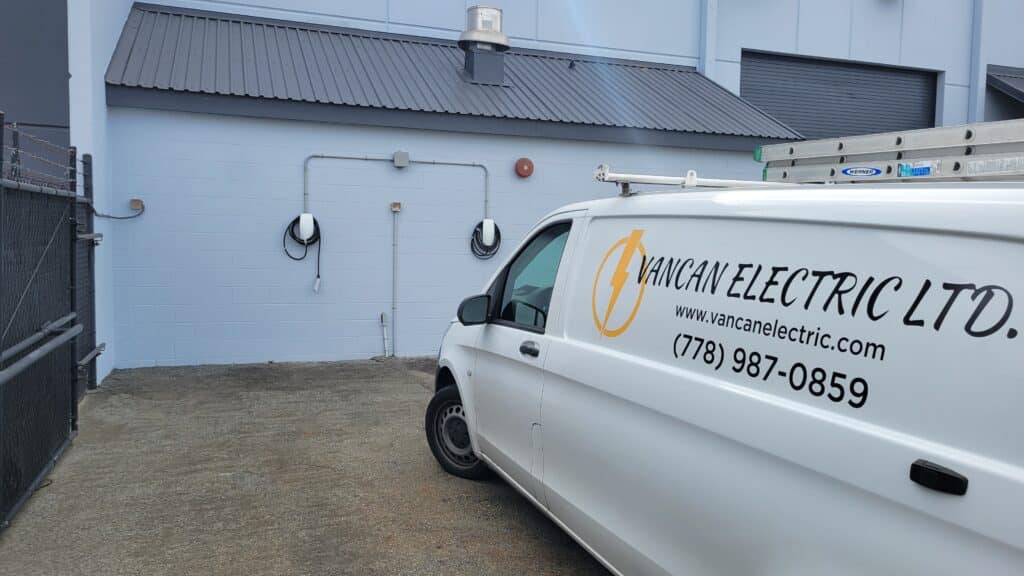
If you’re ready to install an EV charger in your home, contact VanCan Electric Ltd. for expert installation and guidance. We’ll help you choose the perfect solution for your needs. Check out our EV Charger Installation Service for more information and to schedule your installation today!